Why Early Treatment for Sleep Apnea Makes a Bigger Difference
Waking up exhausted, loud snoring, and afternoon brain fog are often dismissed as signs of aging, but they are frequent symptoms of sleep apnea—a serious disorder where breathing repeatedly stops during sleep. These pauses prevent oxygen from reaching the body and stop the brain from achieving deep, restorative rest.
There are three primary types: Obstructive Sleep Apnea (OSA), caused by relaxed throat muscles; Central Sleep Apnea, where the brain fails to signal breathing muscles; and Complex Sleep Apnea, a combination of both.
Ignoring these warning signs is dangerous. Untreated sleep apnea significantly increases health risks and reduces quality of life. However, early intervention can change everything—improving your sleep while protecting your heart, brain, and long-term health.
Understanding the Long-Term Consequences of Untreated Sleep Apnea
The human body relies on sleep for repair and regulation. When sleep is fragmented by hundreds of micro-awakenings a night, the biological cost is high. The cumulative effect of untreated sleep apnea creates a domino effect of health issues that can be difficult to reverse if ignored for too long.
Cardiovascular Strain
The link between sleep apnea and heart health is undeniable. When you stop breathing, the oxygen levels in your blood drop. This signals your brain to release stress hormones like epinephrine (adrenaline). These hormones jolt your body awake just enough to breathe, but they also spike your blood pressure.
Over time, this chronic nightly stress leads to sustained hypertension (high blood pressure). It increases the strain on the cardiovascular system, raising the risk of heart failure, irregular heartbeats (arrhythmias) like atrial fibrillation, and coronary artery disease. Studies have shown that people with severe, untreated sleep apnea are significantly more likely to suffer a stroke or heart attack compared to those without the condition.
Metabolic Disorders and Weight Gain
Sleep and metabolism are intrinsically linked. Sleep apnea disrupts the hormones that regulate hunger and appetite: ghrelin and leptin. When you are sleep-deprived, ghrelin (which signals hunger) spikes, and leptin (which signals fullness) drops. This chemical imbalance leads to intense cravings for high-calorie, sugary foods.
Furthermore, sleep apnea increases insulin resistance, making it much harder for the body to regulate blood sugar levels. This creates a dangerous cycle: excess weight is a primary risk factor for developing sleep apnea, and having sleep apnea makes it incredibly difficult to lose weight and manage Type 2 diabetes.
Cognitive and Mental Health Decline
The brain cleanses itself of toxins during deep sleep. If you never reach deep sleep, those toxins remain. The immediate result is brain fog, difficulty concentrating, and memory lapses. Long-term, the consequences are more severe. Chronic oxygen deprivation affects brain structure and function, potentially accelerating cognitive decline.
Mental health also suffers. The exhaustion caused by sleep apnea often mimics or exacerbates symptoms of depression and anxiety. Irritability, mood swings, and a lack of motivation are common, straining relationships and personal well-being.
The Benefits of Early Diagnosis
The gap between developing symptoms and getting a diagnosis can sometimes span years. Closing that gap is critical. Identifying sleep apnea early means preventing the physiological damage described above before it becomes permanent.
Recognizing the Red Flags
Awareness is the first step. You shouldn’t wait for a medical emergency to investigate your sleep. Common early warning signs include:
- Loud, chronic snoring (especially if it stops and starts).
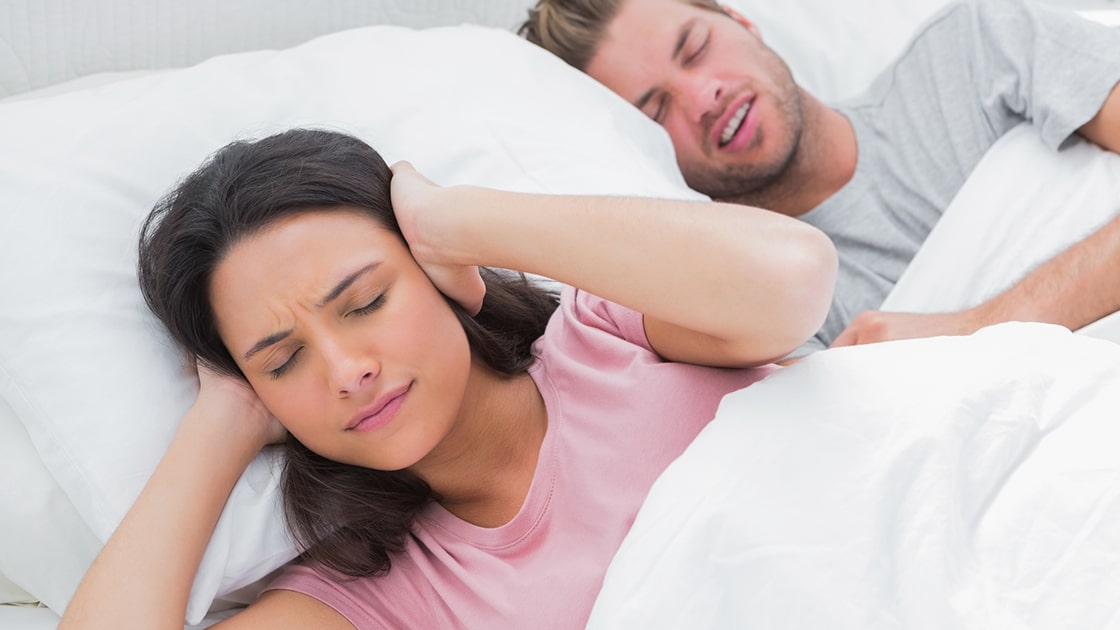
- Gasping or choking sounds during sleep (often reported by a partner).
- Excessive daytime sleepiness, regardless of how many hours you spent in bed.
- Morning headaches and dry mouth.
- Waking up frequently to urinate (nocturia).
The Role of Sleep Studies
If you suspect you have an issue, a sleep study (polysomnography) is the gold standard for diagnosis. Historically, this required an overnight stay in a lab hooked up to various sensors. While lab studies are still necessary for complex cases, technology has advanced significantly.
Home sleep apnea tests (HSATs) are now a popular, accessible option for early diagnosis. These portable units measure heart rate, blood oxygen levels, airflow, and breathing patterns while you sleep in your own bed. They remove the barrier of discomfort and cost associated with lab visits, making it easier for people to get answers quickly.
Consulting with a sleep specialist early allows for a precise diagnosis. They can determine the severity of the apnea (mild, moderate, or severe) and whether it is positional or related to other anatomical factors. This precision allows for a tailored treatment plan immediately, rather than trial-and-error solutions.
Treatment Options Available
Once diagnosed, the goal is to keep the airway open so breathing—and sleep—remains uninterrupted. Fortunately, medical technology offers several effective avenues for relief.
CPAP Therapy
Continuous Positive Airway Pressure (CPAP) is the most common and widely researched treatment. A CPAP machine delivers a steady stream of air through a mask worn over the nose or mouth. This air pressure acts like a splint, keeping the throat muscles from collapsing.
The benefits are often immediate. Patients report waking up feeling refreshed for the first time in years, with a rapid decrease in daytime fatigue. However, CPAP compliance can be a challenge. Some users find the masks claustrophobic or the pressure uncomfortable. Modern machines are quieter and feature “ramp” settings that start with lower pressure, but for some, it remains a difficult adjustment.
Oral Appliances and Sleep Better Solution
For those with mild to moderate obstructive sleep apnea, or for those who cannot tolerate a CPAP machine, oral appliance therapy is a fantastic alternative. These custom-fit dental devices look similar to a sports mouthguard or orthodontic retainer.
They work by repositioning the lower jaw (mandible) slightly forward. This slight adjustment pulls the tongue forward and tightens the soft tissues in the back of the throat, preventing the airway from collapsing.
This is where providers like Sleep Better Solution make a significant impact. They specialize in these custom oral appliances, offering a less invasive, silent, and portable alternative to bulky machines. For many patients, finding a provider like Sleep Better Solution is the turning point in their treatment journey, as it offers a therapy they can actually stick with comfortably every night.
Surgical Options
Surgery is typically considered when non-invasive treatments fail or when there is a distinct anatomical obstruction, such as enlarged tonsils or a deviated septum. Options range from minimally invasive outpatient procedures to more complex surgeries like Uvulopalatopharyngoplasty (UPPP), which removes excess tissue from the throat.
Hypoglossal nerve stimulation is a newer surgical option where a device is implanted in the chest to stimulate the nerve that controls tongue movement, keeping the airway open. While success rates vary, surgery can be a permanent solution for the right candidate.
Lifestyle Adjustments as Part of Early Treatment
Medical devices are only one piece of the puzzle. Early treatment is most effective when paired with lifestyle changes that address the root causes of airway obstruction.
Weight Management
Because excess tissue in the neck can press on the airway, weight loss is often the single most effective lifestyle change for sleep apnea patients. Losing even 10% of body weight can significantly reduce the severity of the condition, and in some mild cases, can resolve it entirely.
Positional Therapy
Gravity plays a role in sleep apnea. For many, apneas occur mostly when sleeping on the back (supine position), as gravity allows the tongue and soft palate to collapse backward. “Positional therapy” involves training yourself to sleep on your side. This can be as simple as using special pillows or wearing a device that vibrates gently when you roll onto your back.
Diet and Exercise
Beyond weight loss, regular exercise improves muscle tone in the upper airway and improves overall respiratory health. Additionally, avoiding alcohol and sedatives before bed is crucial. These substances act as muscle relaxants, which can make the throat collapse more easily during sleep, worsening apnea symptoms.
The Economic Benefits of Early Treatment
While the physical health benefits are paramount, the economic advantages of treating sleep apnea early are substantial.
Untreated sleep apnea is expensive. The costs manifest in higher medical bills due to the management of associated conditions like diabetes, heart disease, and stroke. By treating the apnea itself, you reduce the likelihood of developing these expensive chronic illnesses.
There is also the cost of “presenteeism”—being at work but functioning at a fraction of your capacity. Fatigue leads to poor decision-making, slower reaction times, and reduced cognitive output. Treating sleep apnea restores energy levels, leading to increased productivity and career advancement.
Furthermore, sleep apnea is a major cause of workplace and motor vehicle accidents. Treating the condition reduces these risks significantly, protecting you from potential liability and lost wages due to injury.
Conclusion
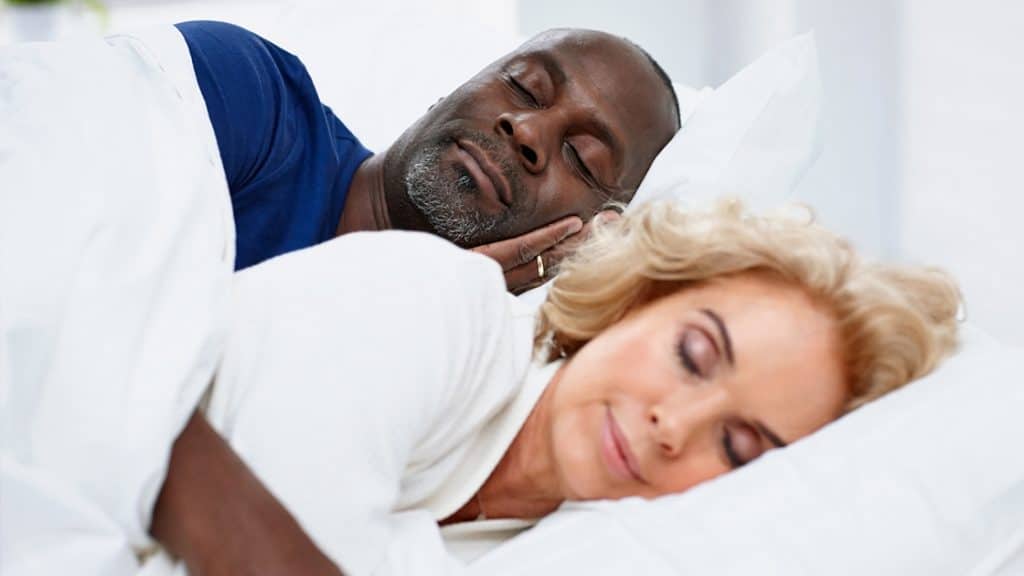
Sleep apnea is a formidable opponent, but it is one that can be defeated. The difference between a life of chronic fatigue and health complications versus a life of vitality often comes down to one factor: timing.
Waiting until a heart attack strikes or diabetes sets in makes the road to recovery steep and difficult. Early treatment, by contrast, prevents the damage before it takes root. Whether through CPAP, the customized oral appliances offered by Sleep Better Solution, or lifestyle changes, the tools to reclaim your rest are available.
If you suspect you or a loved one is suffering from sleep apnea, do not wait. The snoring is a signal, not a soundtrack. Consult a sleep specialist, take a test, and take the first step toward a longer, healthier, and more awake life.
Sleep Better Solution
https://maps.app.goo.gl/a8bnq8tEgXLjys117
147 Main St #7, Lodi, NJ 07644
(862) 208-2112
https://www.sleepbettersolutionnow.com/