
TMJ, Snoring, and Sleep Apnea: How These Conditions Are More Connected Than You Think
You wake up with a dull headache that throbs behind your eyes. Your jaw feels tight, perhaps even sore to the touch. Your partner complains—again—that your snoring sounded like a freight train last night, or worse, that you seemed to stop breathing altogether.
Most people treat these issues as separate annoyances. You might mention the jaw pain to your dentist and the snoring to your general practitioner. However, these symptoms are often pieces of the same puzzle. Your jaw health, your breathing, and your sleep quality are intimately linked.
Temporomandibular Joint disorders (TMJ or TMD), chronic snoring, and Obstructive Sleep Apnea (OSA) frequently coexist, creating a cycle of poor health that can be difficult to break without understanding the root cause. When the structure of the mouth and jaw compromises the airway, the result is a cascade of events that ruins sleep and damages joints.
Understanding how these three conditions interact is the first step toward reclaiming your rest and protecting your long-term health. It is not just about stopping the noise or the pain; it is about ensuring your body gets the oxygen and restoration it needs to function.
The Hidden Link Between Your Jaw and Your Airway
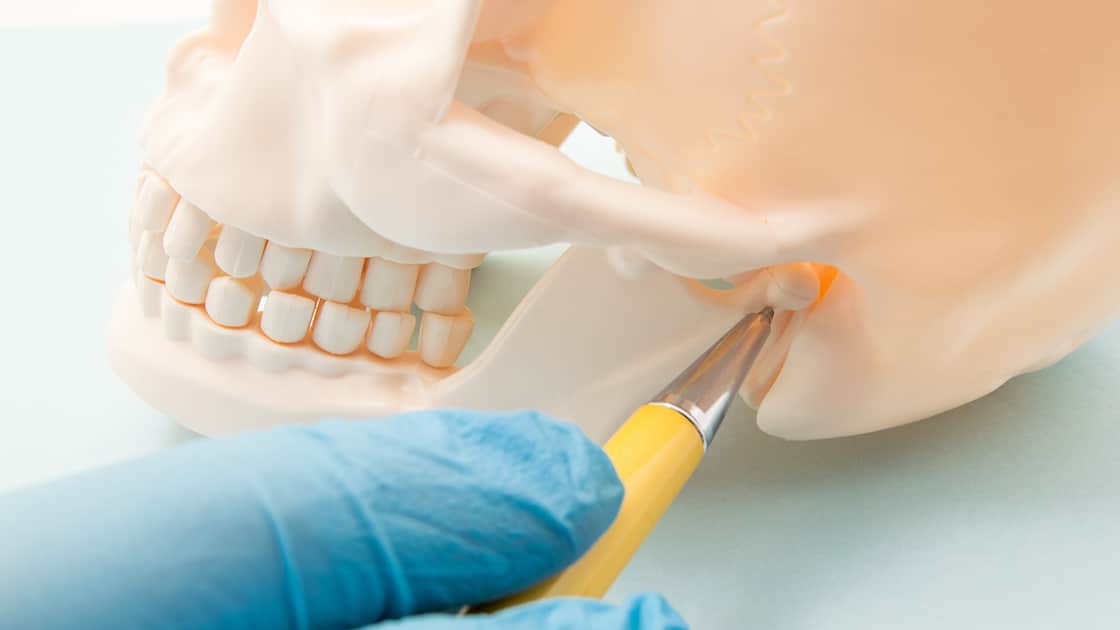
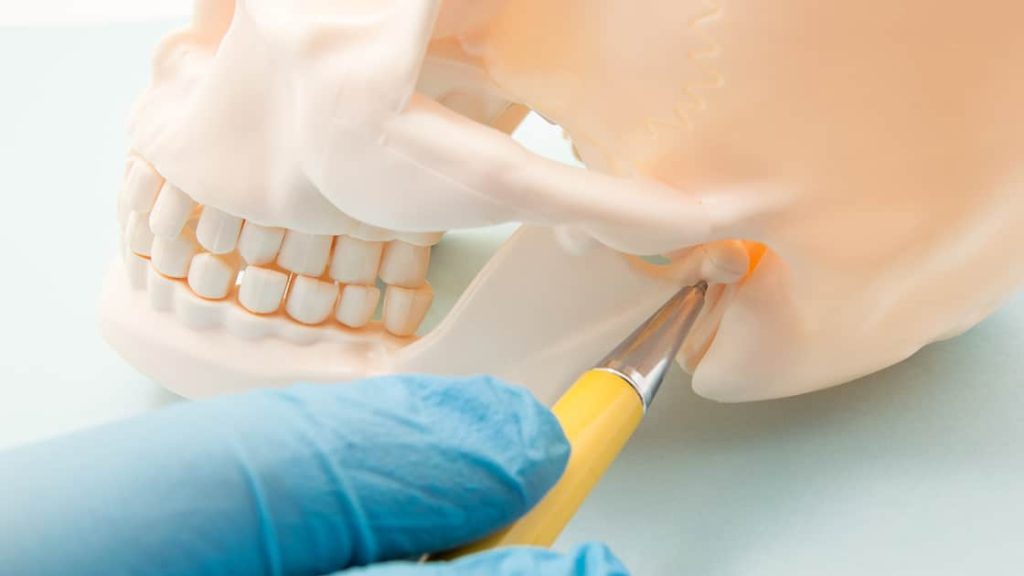
To understand why a sore jaw and sleep apnea often go hand-in-hand, you have to look at the anatomy of the human head. The mandible (lower jaw) does not just hold your teeth; it provides structural support for the tongue and the soft tissues of the throat.
When you lie down to sleep, gravity takes over. If your jaw is recessed (set back too far) or if the muscles around the jaw are tense and misaligned, the tongue and soft tissues can collapse backward. This collapse narrows or completely blocks the airway.
This anatomical reality creates a two-way street between TMJ disorders and sleep issues:
- Airway Obstruction Leads to TMJ Stress: When your airway collapses (apnea), your body instinctively tries to reopen it. One of the body’s survival mechanisms is to push the lower jaw forward to pull the tongue off the back of the throat. This often results in nighttime teeth grinding (bruxism) and clenching. Over time, this constant, forceful motion damages the jaw joint, leading to TMJ pain.
- TMJ Dysfunction Exacerbates Airway Issues: Conversely, inflammation and misalignment in the jaw joint can alter the resting position of the mouth, making it more likely for the airway to close during sleep.
This connection explains why treating one condition without considering the other often leads to incomplete relief.
Unmasking Sleep Apnea: More Than Just Snoring
Obstructive Sleep Apnea (OSA) is a serious medical condition, yet it remains undiagnosed in millions of people. It occurs when the muscles in the back of the throat relax excessively during sleep, causing the airway to narrow or close.
When the airway shuts, oxygen levels in the blood drop. The brain senses this danger and briefly rouses the sleeper—often with a gasp, choke, or snort—to reopen the airway. This cycle can repeat dozens or even hundreds of times per night.
The Consequences of Untreated Apnea
Because the sleeper rarely remembers these micro-awakenings, they often believe they slept through the night, yet they wake up exhausted. The health implications of untreated OSA extend far beyond daytime fatigue:
- Cardiovascular Strain: The repeated drops in oxygen release stress hormones that raise blood pressure and increase the risk of heart attack, stroke, and irregular heartbeats (arrhythmia).
- Metabolic Issues: Sleep apnea is closely linked to Type 2 diabetes and insulin resistance.
- Cognitive Decline: Chronic fragmentation of sleep affects memory, concentration, and mood, often mimicking symptoms of depression or ADHD.
While anyone can develop sleep apnea, certain physical traits increase the risk, including a narrow airway, a large neck circumference, and, crucially, specific jaw structures associated with TMJ issues.
Deep Dive into TMJ Disorders
The temporomandibular joint is the hinge that connects your jaw to the temporal bones of your skull. It is one of the most complex joints in the body, responsible for moving your jaw up and down and side to side so you can talk, chew, and yawn.
When this system goes awry, it is classified as a Temporomandibular Disorder (TMD), though most people simply call it TMJ.
Causes and Triggers
TMJ problems can arise from various sources, including arthritis, jaw injury, or genetics. However, the most common contributor is stress and the associated clenching or grinding of teeth, especially during sleep. As noted earlier, this grinding is often a subconscious attempt to keep the airway open.
Recognizing the Symptoms
The signs of TMJ disorder are often dismissed until the pain becomes unbearable. Watch for these indicators:
- Audible Sounds: Clicking, popping, or grating sounds in the jaw joint when you open or close your mouth.
- Limited Movement: Locking of the joint, making it difficult to open your mouth wide.
- Radiating Pain: Pain that spreads through the face, jaw, or neck. It often manifests as earaches or ringing in the ears (tinnitus).
- Muscle Tenderness: The muscles around the jaw may feel tired or stiff, particularly upon waking.
If you wake up with sensitive teeth or a sore face, you may have been battling your own airway all night long.
Snoring: The Audible Red Flag
Snoring is the sound of obstructed breathing. It occurs when air flows past relaxed tissues in your throat, causing the tissues to vibrate as you breathe. While almost everyone snores occasionally, chronic, loud snoring is the primary indicator of sleep apnea.
It is important to distinguish between “simple snoring” and apnea-related snoring. Simple snoring is rhythmic and steady. Apnea snoring is often punctuated by silence (when breathing stops) followed by a loud gasp or snort (when breathing resumes).
Why Snoring is Harmful
Even without full sleep apnea, heavy snoring requires effort. It is essentially breathing through a straw. This resistance prevents the body from entering deep, restorative stages of sleep. Furthermore, the vibration from snoring can cause inflammation in the carotid arteries, potentially contributing to atherosclerosis (hardening of the arteries).
If you have TMJ pain and you snore, it is highly probable that your jaw position is contributing to the noise and the airway restriction.
How Sleep Better Solution Can Help
Navigating the intersection of dental health and sleep medicine can be confusing. This is where Sleep Better Solution steps in. We understand that you cannot treat the jaw effectively without considering the airway, and you cannot treat the airway without considering the jaw structure.
Our approach focuses on identifying the root cause of your sleep disruption. For many patients, the gold standard for treating mild to moderate sleep apnea and sleep-related TMJ is Oral Appliance Therapy (OAT).
Customized Oral Appliances
Instead of a cumbersome CPAP machine, which uses forced air to keep the airway open, Sleep Better Solution often utilizes custom-fitted oral appliances. These devices look similar to a sports mouthguard or an orthodontic retainer but are precision-engineered for medical use.
The appliance works by gently repositioning the lower jaw forward while you sleep. This slight adjustment:
- Opens the Airway: It pulls the tongue forward, preventing it from collapsing against the back of the throat.
- Protects the Joint: It provides cushioning that prevents the upper and lower teeth from grinding against each other, giving the jaw muscles and the TMJ a chance to relax and heal.
- Reduces Snoring: By stabilizing the jaw and opening the airway, the vibration of soft tissues is significantly reduced or eliminated.
At Sleep Better Solution, we work with you to ensure the device is comfortable, effective, and tailored to your specific anatomy. We believe that non-invasive, patient-centered care is the key to long-term compliance and better health.
Prevention and Lifestyle Tips
While professional treatment is often necessary for conditions like OSA and chronic TMJ, lifestyle changes can play a significant role in managing symptoms and improving the effectiveness of your treatment.
Positional Therapy
Gravity is the enemy of a narrow airway. Sleeping on your back allows the tongue and soft palate to collapse backward most easily. Training yourself to sleep on your side can significantly reduce snoring and mild apnea events. Using a body pillow can help maintain this position throughout the night.
Weight Management
Excess weight, particularly around the neck, puts internal pressure on the throat muscles and the airway. Losing even a small percentage of body weight can reduce the severity of sleep apnea and alleviate the strain on the respiratory system.
Stress Reduction
Stress is a primary driver of jaw clenching and teeth grinding. Incorporating relaxation techniques into your evening routine—such as meditation, deep breathing exercises, or a warm bath—can help relax the jaw muscles before sleep.
Sleep Hygiene
Create an environment conducive to rest. Keep the bedroom cool and dark. Avoid screens for an hour before bed. A consistent sleep schedule helps regulate your body’s internal clock, potentially leading to deeper, more stable sleep.
Watch What You Consume
Alcohol and sedatives act as muscle relaxants. While they might help you fall asleep faster, they cause the muscles of the throat to relax too much, worsening snoring and apnea. They also induce a deeper collapse of the airway, which can trigger more aggressive bruxism as the body fights for air. Try to avoid alcohol at least three to four hours before bedtime.
Reclaiming Your Rest
The human body is an interconnected system. When one part struggles, others compensate, often causing a domino effect of symptoms. The link between TMJ disorders, snoring, and sleep apnea is a prime example of this complexity.
Ignoring these symptoms is not a strategy. The long-term risks to your heart, your metabolism, and your mental health are too great. If you are tired of waking up in pain, or if your partner is tired of your snoring, it is time to look at the full picture.
By addressing the structural issues of the jaw and airway simultaneously, you can stop the cycle of damage. Whether through lifestyle changes or the specialized care provided by Sleep Better Solution, relief is possible. You deserve to wake up feeling refreshed, pain-free, and ready to face the day.
Sleep Better Solution
https://maps.app.goo.gl/a8bnq8tEgXLjys117
147 Main St #7, Lodi, NJ 07644
(862) 208-2112
https://www.sleepbettersolutionnow.com/