Snoring & Sleep Apnea: Is Your Body Trying to Tell You Something?
Snoring — it’s the soundtrack of many households, often joked about or brushed off as a harmless habit. But here’s the thing: while an occasional snore after a long day or a glass of wine might be normal, consistent, loud snoring could be your body’s way of waving a red flag. What seems like a simple nighttime nuisance might actually be a sign of something much more serious happening while you sleep.
Not every snorer has sleep apnea, but nearly everyone with obstructive sleep apnea (OSA) snores. This condition occurs when the airway becomes partially or completely blocked during sleep, causing breathing pauses that jolt your body awake—sometimes dozens of times per hour. These interruptions prevent deep, restorative rest and can silently strain your heart, affect your focus, and leave you exhausted no matter how long you’re in bed.
In this article, we’ll break down the crucial connection between snoring and sleep apnea, explain how to tell the difference between “just snoring” and something more serious, and share what steps to take if you suspect your nightly noises are a cry for help from your body.
What is Snoring? The Science Behind the Sound
The Mechanics of Snoring
Snoring is the sound produced when air can’t move freely through your nose and throat during sleep. This causes the surrounding soft tissues in your upper airway to vibrate, creating the familiar noise. The sound can range from soft and occasional to loud and disruptive, but the underlying cause is always a partial obstruction of the airway.
Common Causes of Simple Snoring
Several factors can lead to benign snoring. Sleeping on your back, for instance, can cause the tongue and soft palate to collapse to the back of the throat, narrowing the airway. Other common causes include alcohol consumption, which relaxes throat muscles, nasal congestion from allergies or a cold, and excess body weight that can increase tissue around the neck and throat.
When Snoring Is Just Snoring
It’s important to recognize that occasional, light snoring is usually not a cause for medical concern. If your snoring is infrequent and not accompanied by other symptoms like daytime fatigue or breathing pauses, it’s likely just “simple snoring.” While it may still disrupt a bed partner’s sleep, it doesn’t carry the same health risks as sleep apnea.
Understanding Obstructive Sleep Apnea (OSA)
More Than Just Vibration
Obstructive sleep apnea is a much more serious condition. It occurs when the airway doesn’t just narrow but becomes completely or partially blocked, causing you to stop breathing repeatedly during sleep. These pauses, known as apneas, can last from a few seconds to over a minute and happen multiple times throughout the night.
The Body’s Emergency Response
During an apneic event, oxygen levels in your blood drop. Your brain senses this danger and briefly rouses you from sleep to reopen your airway. This awakening is often so brief that you don’t remember it, but it’s typically accompanied by a loud gasp, snort, or choking sound.
The Health Risks of Untreated OSA
The long-term consequences of untreated sleep apnea are significant. The constant drops in oxygen and the stress of frequent awakenings place a heavy strain on the cardiovascular system. This increases your risk for serious health problems, including high blood pressure, heart attack, stroke, and type 2 diabetes.
Key Differences: Snoring vs. Sleep Apnea
The Sound and Pattern
One way to tell the difference is by listening. Simple snoring is often a consistent, rhythmic sound. In contrast, sleep apnea is characterized by loud, heavy snoring interrupted by periods of silence (the apneas), which are then followed by abrupt gasps or snorts as breathing resumes.
Associated Daytime Symptoms
Simple snoring doesn’t typically affect how you feel during the day. Sleep apnea, however, almost always does. The hallmark signs of OSA include excessive daytime sleepiness, morning headaches, difficulty concentrating, irritability, and waking up with a very dry mouth or sore throat.
Observations from a Bed Partner
Often, a bed partner is the first to notice the signs of sleep apnea. They can observe the alarming pauses in breathing, the choking or gasping sounds, and the restless tossing and turning that are characteristic of the disorder.
Risk Factors for Snoring and Sleep Apnea
Anatomical Traits
Certain physical characteristics can make you more susceptible to both snoring and sleep apnea. These include a large neck circumference (over 17 inches for men, 16 for women), a naturally narrow throat, large tonsils or adenoids, a large tongue, or a deviated septum that obstructs nasal breathing.
Lifestyle and Health Factors
Lifestyle choices and overall health play a significant role. Excess body weight is a primary risk factor, as it can lead to fatty deposits in the upper airway. Smoking irritates the airways, and alcohol consumption before bed excessively relaxes the throat muscles, both contributing to airway collapse.
Age and Gender
While sleep apnea can affect anyone, including children, the risk increases with age as muscle tone in the throat naturally decreases. Men are also more likely to develop the condition than premenopausal women, though a woman’s risk increases significantly after menopause.
The Diagnostic Process: Getting a Definitive Answer
Consulting with a Physician
If you suspect you have sleep apnea, the first step is to discuss your symptoms with a doctor. They can perform an initial evaluation, assess your risk factors, and determine if further testing is needed. Being open about your snoring patterns and daytime symptoms is crucial.
The Role of Sleep Studies
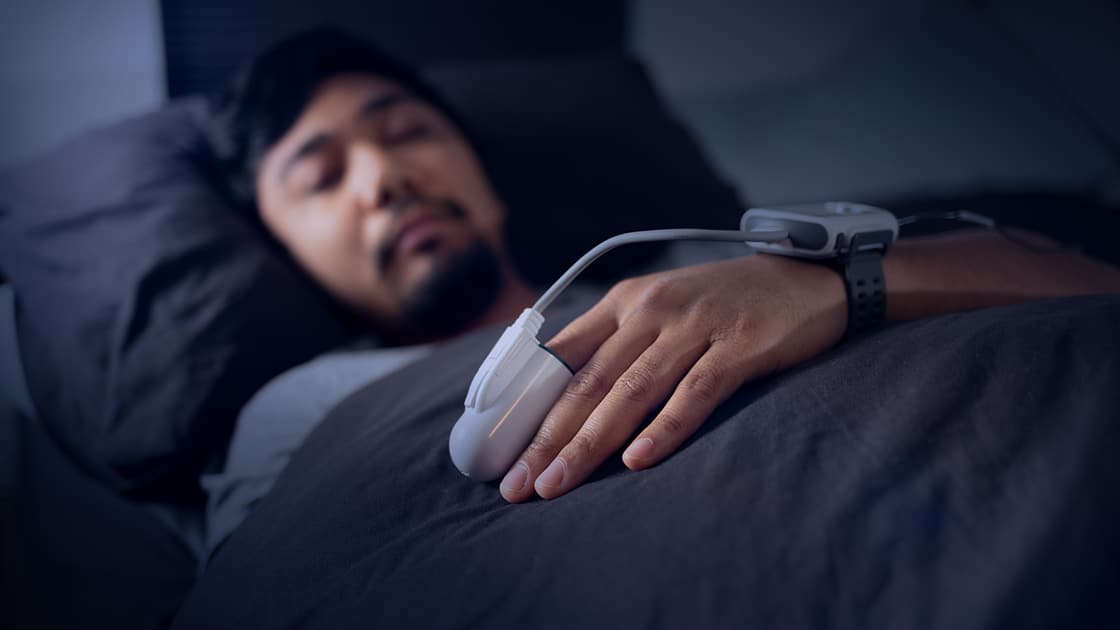
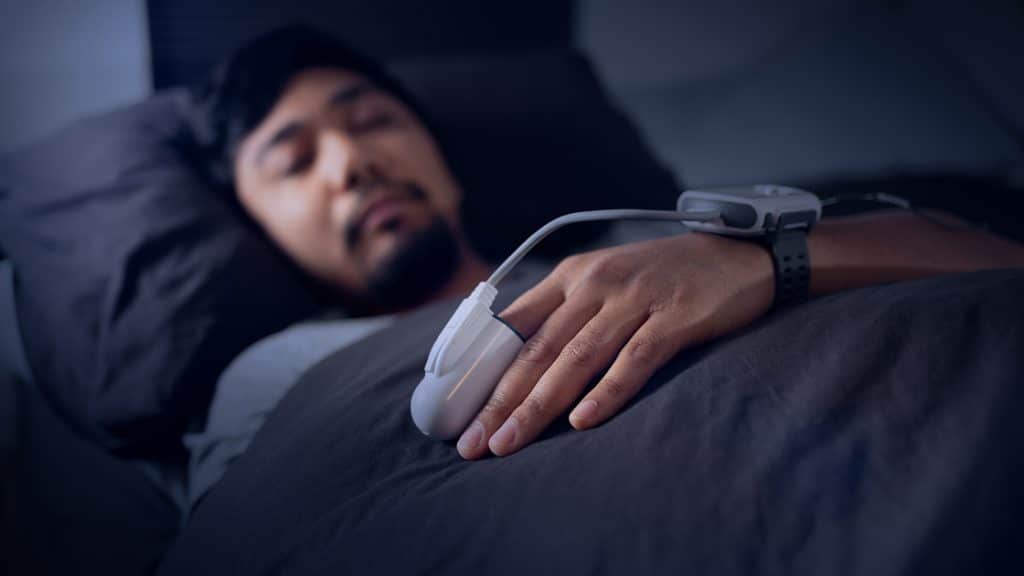
An overnight sleep study, or polysomnogram, is the only way to accurately diagnose sleep apnea. This can be done in a specialized sleep lab or with a home sleep apnea test. The study monitors your breathing, oxygen levels, heart rate, and brain activity to identify the frequency and severity of breathing interruptions.
Interpreting Your AHI Score
The results of a sleep study are often summarized by the Apnea-Hypopnea Index (AHI). This score represents the average number of apneas and hypopneas (partial blockages) per hour of sleep. An AHI score is used to confirm a diagnosis and classify the severity: mild (5-15 events/hour), moderate (15-30 events/hour), or severe (over 30 events/hour), which helps guide the appropriate treatment plan.
The Sleep Better Solution: A Patient-Focused Path to Treatment
An Emphasis on Screening and Education
At Sleep Better Solution, we believe that educated patients are empowered patients. We start with a thorough screening process to identify individuals at risk for sleep apnea. We are committed to educating you about the critical link between snoring and OSA, so you understand your condition and treatment options fully.
Expertise in Comfortable, Effective Treatment
Our focus is on providing proven, non-invasive treatments that fit your lifestyle. For many patients with snoring and mild to moderate OSA, custom-fit oral appliance therapy is an excellent and comfortable solution. Our team has extensive experience in creating and fitting these devices to ensure they are both effective and easy to wear.
A Partnership for Long-Term Health
Our care for you doesn’t stop once you receive your treatment. We see ourselves as your long-term partners in health. We provide ongoing care that includes routine monitoring and appliance adjustments to ensure your treatment remains effective, helping you achieve lasting results and better overall health through better sleep.
Treatment Options for Snoring and Sleep Apnea
Lifestyle Modifications
For some individuals with simple snoring or very mild sleep apnea, conservative approaches can be effective. These include losing weight, changing your sleep position (e.g., sleeping on your side instead of your back), avoiding alcohol close to bedtime, quitting smoking, and treating any nasal allergies or congestion.
Positive Airway Pressure (PAP) Therapy
Continuous Positive Airway Pressure (CPAP) therapy is considered the gold standard treatment for severe sleep apnea. A CPAP machine delivers a steady stream of pressurized air through a mask worn during sleep, which acts as a splint to keep the airway open and prevent it from collapsing.
Oral Appliance Therapy (OAT)
Oral appliance therapy is a highly effective treatment for both snoring and mild to moderate sleep apnea. It involves wearing a custom-made dental device, similar to a mouthguard or retainer, during sleep. The device works by gently repositioning the lower jaw forward, which helps keep the airway open and prevents obstruction.
Why You Shouldn’t Ignore Loud Snoring
A Warning Sign from Your Body
It’s time to reframe how we think about snoring. Instead of viewing it as a personal habit, consider loud, persistent snoring as a potential warning sign. It could be your body’s way of signaling that it’s struggling to breathe properly while you sleep, an issue that deserves attention.
Impact on Overall Health and Well-being
The disrupted sleep caused by OSA has a ripple effect on your entire body. It negatively impacts cardiovascular health, mental clarity, mood, and daily energy levels. Addressing the root cause can lead to profound improvements in your overall health and quality of life.
Protecting Your Relationships
Seeking treatment for snoring and sleep apnea isn’t just about your own health—it’s also about the well-being of your partner. Constant, loud snoring can severely disrupt a partner’s sleep, leading to fatigue and resentment. Finding a solution can significantly improve sleep quality for both of you, strengthening your relationship.
Take Control of Your Sleep and Health
To summarize, while some snoring is harmless, it’s also the primary symptom of obstructive sleep apnea, a condition with serious health implications. Recognizing the difference and understanding the warning signs is the first step toward taking control of your health and well-being. If you snore loudly and experience daytime fatigue or other related symptoms, it’s a sign that you should not ignore. We encourage you to speak with a healthcare professional to determine the cause and explore effective treatment solutions that can help you sleep better and live a healthier life.
Sleep Better Solution
https://maps.app.goo.gl/a8bnq8tEgXLjys117
147 Main St #7, Lodi, NJ 07644
(862) 208-2112
https://www.sleepbettersolutionnow.com/