Snore Less, Live More: Treatment Options That Really Work
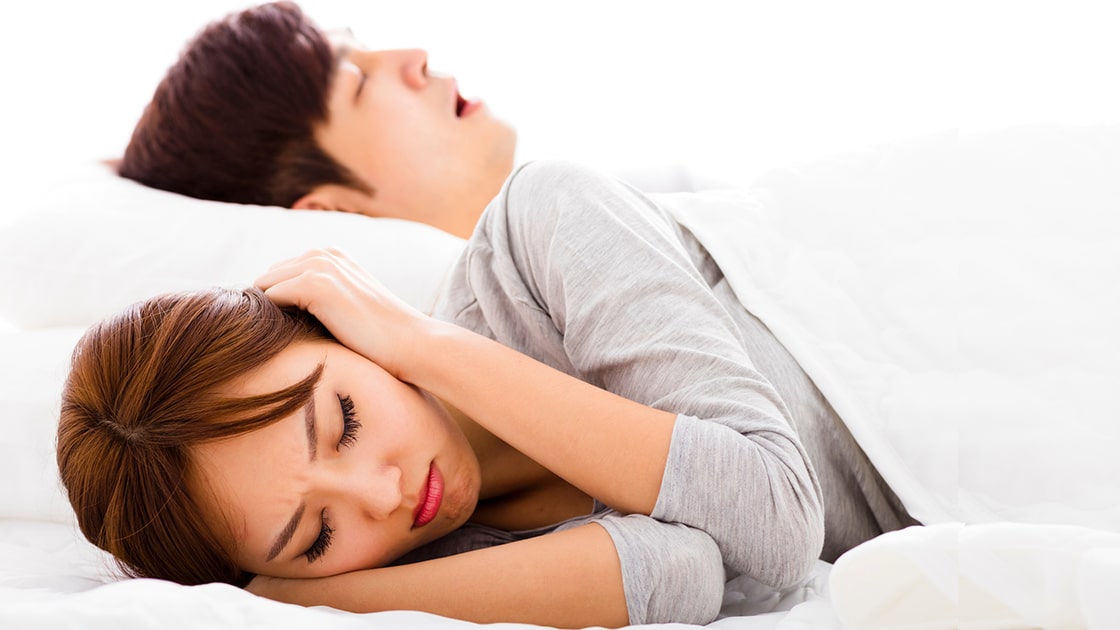
If you or your partner have ever been jolted awake by a loud snort, you’re not alone. Snoring affects nearly half of all adults and can be more than just a nightly nuisance. For the snorer, it can lead to fragmented sleep, daytime fatigue, and irritability. For their partner, it can cause resentment and lead to couples sleeping in separate rooms.
More alarmingly, loud and frequent snoring is a primary symptom of Obstructive Sleep Apnea (OSA), a serious condition linked to high blood pressure, heart disease, and stroke.
The good news? You don’t have to put up with noisy nights and groggy mornings. From simple lifestyle changes to advanced medical interventions, there are many effective treatments available.
Understanding Snoring: Causes, Types, and Risk Factors
To treat snoring effectively, you first need to understand the mechanics behind the noise. Snoring occurs when air flows past relaxed tissues in your throat, causing the tissues to vibrate as you breathe. When you sleep, the muscles in the roof of your mouth (soft palate), tongue, and throat relax. If these tissues relax enough, they can partially block your airway and vibrate.
The Anatomy of a Snore
The narrower your airway becomes, the more forceful the airflow becomes. This increases tissue vibration, which results in louder snoring. Several anatomical factors contribute to this:
- Mouth Anatomy: A low, thick soft palate can narrow your airway. People who are overweight may have extra tissues in the back of their throats that narrow their airways.
- Nasal Problems: Chronic nasal congestion or a crooked partition between your nostrils (deviated septum) can contribute to snoring.
- Sleep Position: Snoring is typically most frequent and loudest when sleeping on the back as gravity’s effect on the throat narrows the airway.
Types of Snoring
Not all snores are created equal. Identifying the type of snorer you are can help pinpoint the right solution.
- Nasal Snoring: Caused by blocked nasal passages due to allergies, a deviated septum, or a cold. The sound is usually a whistling or grunting noise.
- Mouth Snoring: This happens when you breathe through your mouth while sleeping instead of your nose. It is often caused by a blocked nose or enlarged tonsils.
- Tongue Snoring: This occurs when the tongue falls into the back of the throat, blocking airflow. It is common in back sleepers and those who consume alcohol before bed.
- Throat Snoring: The loudest and most dangerous form, often associated with sleep apnea. This is caused by the soft tissues in the throat collapsing.
Major Risk Factors
While anyone can snore, certain factors increase the likelihood:
- Gender: Men are more likely to snore or have sleep apnea than women.
- Weight: Being overweight or obese contributes to poor muscle tone and increased tissue around the neck.
- Age: As you reach middle age and beyond, your throat becomes narrower, and the muscle tone in your throat decreases.
- Family History: Heredity is a risk factor for OSA and snoring.
- Alcohol and Sedatives: These relax throat muscles, increasing the risk of snoring.
Medical Treatments for Snoring
When lifestyle adjustments aren’t enough, or when snoring is a symptom of sleep apnea, medical intervention is often necessary. Consult with a sleep specialist or an ENT (Ear, Nose, and Throat) doctor to determine the best course of action.
CPAP Therapy: How it Works and Who Benefits
Continuous Positive Airway Pressure (CPAP) is the gold standard treatment for moderate to severe obstructive sleep apnea. It involves wearing a mask over your nose or mouth while you sleep. The mask is connected to a small machine that pumps a continuous stream of air into your airways.
- How it Works: The pressurized air acts as a splint, keeping the throat open and preventing the soft tissues from collapsing. This eliminates the vibration that causes snoring and prevents the pauses in breathing associated with apnea.
- Who Benefits: CPAP is highly effective for people whose snoring is caused by airway collapse. While adjusting to wearing a mask can take time, the benefits—restful sleep, reduced heart risks, and increased energy—are often immediate and profound. Modern machines are quieter and more comfortable than their predecessors, offering features like heated humidifiers to prevent dry mouth.
Surgical Options: What to Consider
Surgery is usually considered a last resort when other treatments have failed or for specific anatomical issues that can be corrected surgically.
- Uvulopalatopharyngoplasty (UPPP): This is the most common surgery for sleep apnea. It involves removing excess tissue from the back of the throat, including the uvula and parts of the soft palate.
- Septoplasty: If a deviated septum is the culprit, this surgery straightens the bone and cartilage dividing the space between your two nostrils (septum).
- Somnoplasty: A minimally invasive procedure that uses radiofrequency energy to shrink the tissue in the soft palate.
Considerations: Surgery comes with risks, including pain, infection, and potential changes to voice or swallowing. Success rates vary, and it’s not a guaranteed cure for everyone. It is vital to have a thorough evaluation to determine if your specific anatomy makes you a good candidate.
Oral Appliances: Pros and Cons
For those who cannot tolerate CPAP or have mild to moderate sleep apnea, oral appliances are a popular alternative. These custom-fitted dental devices look similar to sports mouthguards or orthodontic retainers.
Pros:
- Mandibular Advancement Devices (MADs): These work by pushing the lower jaw and tongue forward, which helps keep the airway open.
- Portability: They are small, silent, and easy to travel with.
- Comfort: Many patients find them less intrusive than a CPAP mask.
Cons:
- Jaw Discomfort: They can cause jaw soreness, especially in the morning.
- Dental Shifts: Long-term use can sometimes alter your bite or move teeth.
- Maintenance: They require regular cleaning and periodic adjustments by a dentist specializing in sleep medicine.
Lifestyle Changes to Reduce Snoring
Before jumping to medical devices or surgery, many people find significant relief through lifestyle modifications. These changes address the root causes of benign snoring and can improve your overall health.
Weight Management and Diet
Excess weight is one of the most common causes of snoring. Fatty tissue around the neck squeezes the airway and prevents air from flowing in and out freely.
- The Weight Connection: Even losing a small amount of weight can reduce fatty tissue in the back of the throat and decrease or even stop snoring.
- Dietary Choices: Avoid heavy meals right before bed. A full stomach puts pressure on your diaphragm, which can affect your breathing.
- Alcohol Consumption: Alcohol acts as a potent muscle relaxant. Drinking within four hours of bedtime causes the throat muscles to relax more than usual, leading to airway obstruction. Limiting alcohol intake can drastically reduce snoring frequency and volume.
Sleep Position and Environment
How and where you sleep matters more than you might think.
- The “Tennis Ball” Trick: Sleeping on your back allows your tongue and soft palate to collapse to the back of your throat. Sleeping on your side is often all that is needed to stop this from happening. A classic home remedy involves sewing a tennis ball into the back of your pajama top to prevent you from rolling onto your back during the night.
- Elevate Your Head: Elevating the head of your bed by about four inches can help keep your airways open. Using a wedge pillow is more effective than stacking standard pillows, which can sometimes crimp the neck and worsen the problem.
- Allergen Control: Allergens in your bedroom (dust mites in pillows, pet dander) can cause nasal congestion. Wash bedding regularly in hot water and consider using an air purifier.
The Role of Exercise
Exercise does more than just help with weight loss; it can also tone the muscles in your body, including those in your throat.
- General Fitness: Regular cardio and strength training improve overall muscle tone.
- Oropharyngeal Exercises: These are specific exercises for the mouth and tongue. Studies have shown that “throat yoga” can reduce snoring severity. Simple exercises include pushing the tip of your tongue against the roof of your mouth and sliding it backward, or sucking your tongue upward against the roof of your mouth.
Sleep Better Solution: A Detailed Overview
While the treatments mentioned above address various aspects of snoring, sometimes you need a comprehensive approach that bridges the gap between lifestyle changes and medical intervention. This is where the Sleep Better Solution enters the conversation.
The Sleep Better Solution is designed for individuals who want a non-invasive, accessible approach to managing their sleep health. It isn’t just a single product, but a holistic methodology that focuses on airway alignment and sleep hygiene.
What Makes It Different?
Unlike standard anti-snoring chin straps or generic mouthguards found at the drugstore, the Sleep Better Solution emphasizes customization and comfort. It recognizes that one size rarely fits all when it comes to human anatomy. The system typically integrates ergonomic support with advanced oral appliance technology to ensure the airway remains patent (open) throughout the night without causing the jaw pain associated with rigid devices.
Benefits of Using Sleep Better Solution
- Non-Invasive: There are no masks, hoses, or surgeries involved. It is a low-barrier entry point for treating snoring before escalating to CPAP.
- Improved Oxygenation: By keeping the airway open effectively, the Sleep Better Solution ensures consistent oxygen levels throughout the night. This leads to waking up feeling refreshed rather than groggy.
- Partner Satisfaction: One of the most immediate benefits is the reduction in noise levels, allowing bed partners to get the rest they deserve.
- Travel-Friendly: The components are lightweight and require no electricity, making it easy to maintain your sleep routine while on vacation or business trips.
- Holistic Support: The Sleep Better Solution often includes guidance on sleep hygiene and throat exercises, reinforcing the physical effectiveness of the device with behavioral changes.
For many users, this solution serves as the perfect middle ground—more effective than simple pillows or nasal strips, but less intrusive than medical machinery. It empowers the user to take charge of their sleep quality without immediately medicalizing their bedroom.
Taking Control of Your Sleep and Health
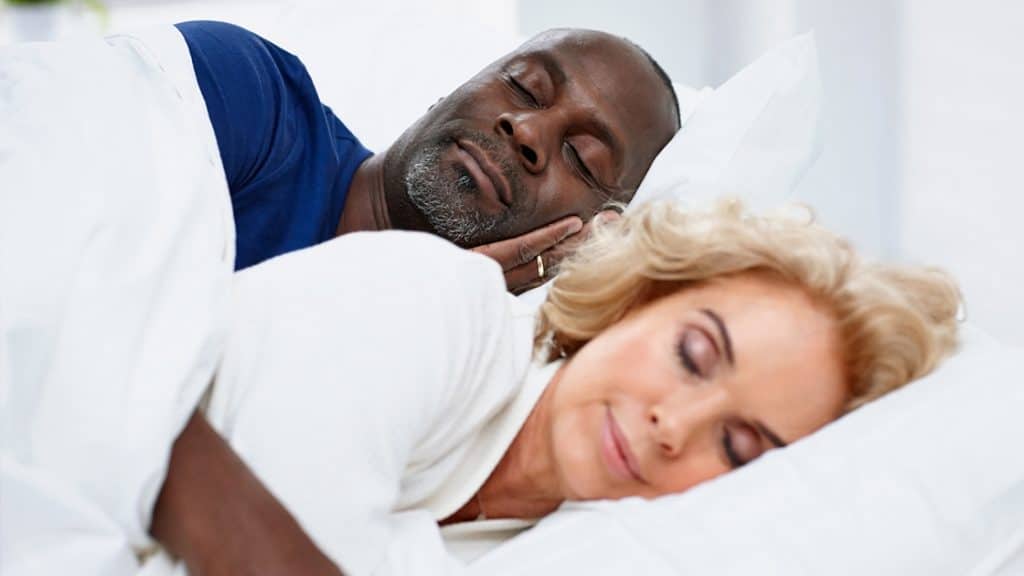
Snoring is more than just a noise; it’s a signal from your body that shouldn’t be ignored. The key to quieter, more restorative nights is to acknowledge the issue and explore solutions.
Since every person is different, there’s no one-size-fits-all cure. For some, simple lifestyle changes like losing weight or changing sleep positions may be enough. For others, tools like the Sleep Better Solution or a CPAP machine might be necessary.
Don’t let snoring compromise your well-being. Consult a doctor to understand the cause and find the right solution for you. Investing in better sleep is an investment in your overall health, energy, and relationships.
Sleep Better Solution
https://maps.app.goo.gl/a8bnq8tEgXLjys117
147 Main St #7, Lodi, NJ 07644
(862) 208-2112
https://www.sleepbettersolutionnow.com/