Sleep Apnea Treatment Options That Go Beyond Temporary Relief
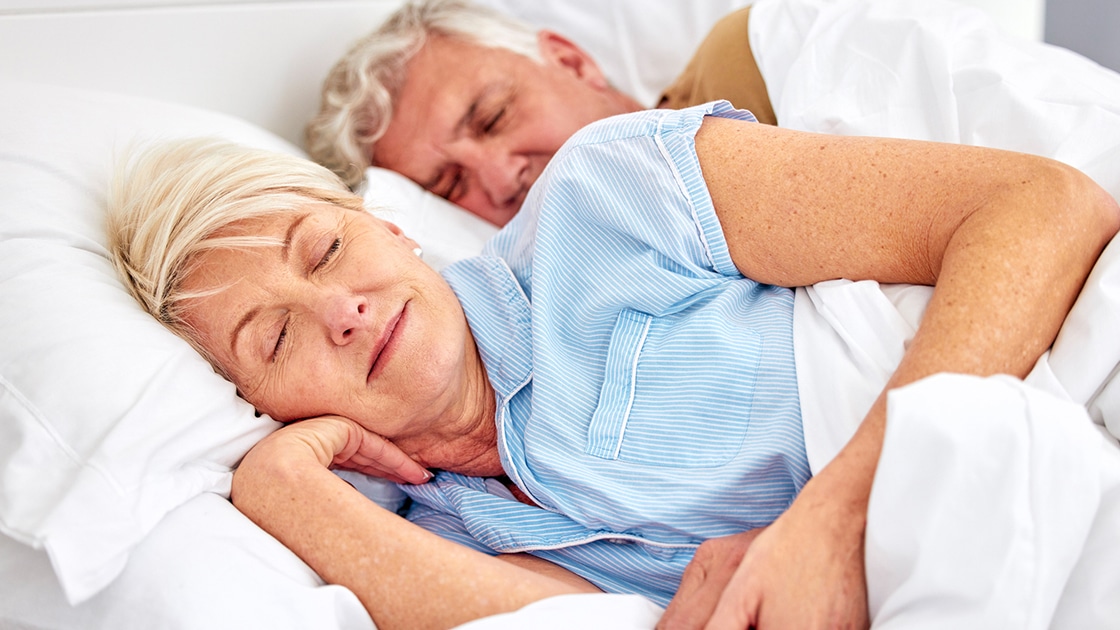
Waking up exhausted after a full night’s sleep is more than a frustration—for those with sleep apnea, it’s a chronic reality. This serious condition, characterized by repeated interruptions in breathing, prevents the body from reaching the deep, restorative sleep essential for health. Left untreated, the risks are high, ranging from persistent fatigue to heart disease and diabetes.
While traditional treatments like CPAP machines are common, many find them difficult to maintain. Fortunately, sleep medicine is evolving. From advanced medical interventions to holistic approaches like the Sleep Better Solution, there are now more ways than ever to find lasting relief. This guide explores your options to help you finally reclaim the rest you deserve.
Understanding the Mechanics of Sleep Apnea
Before diving into solutions, it is crucial to understand the problem. Sleep apnea is not a singular disorder but rather a category of issues that cause breathless episodes during sleep.
The Three Main Types
There are three primary forms of sleep apnea, each stemming from different causes:
- Obstructive Sleep Apnea (OSA): This is the most common form. It occurs when the throat muscles relax excessively during sleep. As these muscles relax, the soft tissue in the back of the throat collapses, blocking the airway. The sleeper struggles to breathe against this blockage, often resulting in a snort or gasp as the brain jolts the body awake to reopen the airway.
- Central Sleep Apnea (CSA): Unlike OSA, this is not a mechanical blockage. Instead, it is a communication failure. The brain fails to send the correct signals to the muscles that control breathing. You simply stop trying to breathe for a short period. This is often associated with other medical conditions such as heart failure or stroke.
- Complex Sleep Apnea Syndrome: Also known as treatment-emergent central sleep apnea, this occurs when a person has both obstructive sleep apnea and central sleep apnea.
The Hidden Impact of Untreated Apnea
The prevalence of sleep apnea is staggering, yet many cases go undiagnosed. People often attribute their fatigue to stress or aging. However, the physiological toll is severe. Each time breathing stops, oxygen levels in the blood drop. This triggers a stress response, releasing adrenaline and spiking blood pressure. Over time, this chronic stress on the cardiovascular system can lead to atrial fibrillation, heart attacks, and stroke. Furthermore, the lack of quality sleep impairs cognitive function, increasing the risk of workplace accidents and motor vehicle crashes.
Traditional Treatments: The Standard of Care
For decades, the medical community has relied on a few key interventions to manage sleep apnea. While effective for many, they are not without their challenges.
CPAP Therapy: The Gold Standard
Continuous Positive Airway Pressure (CPAP) is the most widely prescribed treatment for moderate to severe obstructive sleep apnea.
- How it works: A machine delivers air pressure through a mask placed over your nose (or nose and mouth) while you sleep. This pressure acts like an invisible splint, keeping the upper airway passages open and preventing apnea and snoring.
- Benefits: When used consistently, CPAP is highly effective. It can immediately eliminate snoring and prevent airway collapse, leading to better sleep quality and lowered blood pressure.
- Drawbacks: The biggest hurdle with CPAP is compliance. Many patients find the mask uncomfortable, claustrophobic, or irritating to the skin. The noise of the machine, although quieter in modern models, can still be disruptive. Additionally, carrying the equipment while traveling can be cumbersome, leading many users to abandon therapy altogether.
Oral Appliances
For those with mild to moderate sleep apnea who cannot tolerate CPAP, oral appliances are a common alternative.
- Types: The most common device is a Mandibular Advancement Device (MAD). It looks similar to a sports mouthguard and works by snapping over the upper and lower teeth.
- Effectiveness: The device eases the lower jaw forward, which in turn pulls the tongue forward and tightens the soft tissues in the back of the throat. This physical shift helps keep the airway open.
- Limitations: While less intrusive than a CPAP machine, oral appliances can cause jaw pain, temporal mandibular joint (TMJ) arthritis, or changes in bite alignment over time. They are generally not recommended for severe cases of apnea.
Surgical Options
Surgery is usually considered a last resort when other treatments have failed. The goal is typically to enlarge the airway.
Procedures:
- Uvulopalatopharyngoplasty (UPPP): This involves removing tissue from the rear of the mouth and top of the throat (including the tonsils and uvula).
- Maxillomandibular Advancement: A more complex surgery where the upper and lower jaw are moved forward from the remainder of the facial bones. This enlarges the space behind the tongue and soft palate.
- Hypoglossal Nerve Stimulation: A newer approach involving an implanted device that stimulates the nerve controlling tongue movement, ensuring the tongue does not block the airway.
Risks: As with any surgery, there are risks of complications, infection, and reaction to anesthesia. Furthermore, surgery does not guarantee a complete cure, and some patients may still require CPAP afterward.
Beyond the Basics: Lifestyle and Alternative Therapies
Managing sleep apnea is rarely a one-step process. While mechanical devices address the symptom (the blockage), they don’t always address the root cause. Several alternative approaches and lifestyle modifications can significantly improve symptoms, sometimes even eliminating the need for intervention in mild cases.
Positional Therapy
Gravity plays a significant role in obstructive sleep apnea. When you lie on your back (supine position), gravity pulls the tongue and soft tissues backward, making airway collapse more likely.
- Techniques: Positional therapy involves training yourself to sleep on your side. This can be as simple as using a special wedge pillow or as low-tech as sewing a tennis ball into the back of your pajama top to prevent rolling onto your back.
- Effectiveness: For patients whose apnea is exclusively or predominantly positional, this simple change can drastically reduce the number of apnea events per hour.
Weight Management and Lifestyle Changes
There is a strong correlation between excess weight and obstructive sleep apnea. Fat deposits around the neck can crowd the airway, making it more likely to collapse during sleep.
- Impact: Losing even a modest amount of weight—10% of body weight—can significantly reduce the severity of sleep apnea. In some cases, achieving a healthy weight can cure the condition entirely.
- Diet and Habits: Beyond weight, what you consume matters. Alcohol acts as a muscle relaxant. Drinking before bed relaxes the throat muscles, increasing the likelihood of obstruction. Similarly, smoking causes inflammation and fluid retention in the upper airway, worsening breathing difficulties. Quitting smoking and avoiding alcohol before bed are critical lifestyle adjustments.
Alternative Therapies
Patients seeking a more natural approach often explore other modalities, though these are best used as complementary treatments rather than standalone cures.
- Oropharyngeal Exercises (Myofunctional Therapy): These are exercises designed to strengthen the muscles of the tongue, soft palate, and throat. By improving the tone of these muscles, they become less likely to collapse during sleep.
- Yoga and Acupuncture: While research is ongoing, some studies suggest that yoga (which strengthens breathing muscles) and acupuncture (which may reduce inflammation) can help alleviate symptoms and improve sleep quality.
Introducing Sleep Better Solution: A Comprehensive Approach
Navigating the myriad of treatments—from masks to mouthguards to surgeries—can be overwhelming. Often, patients try one method, find it uncomfortable, and give up, leaving their apnea untreated. This is where the Sleep Better Solution steps in.
What is the Sleep Better Solution?
The Sleep Better Solution is not just a device; it is a holistic methodology designed to treat the patient, not just the airway. It recognizes that sleep apnea is a complex condition influenced by anatomy, lifestyle, and physiology. Rather than assigning a standard CPAP machine to every patient, the Sleep Better Solution focuses on personalized care pathways.
Integrating Treatment Modalities
The core philosophy of the Sleep Better Solution is integration. It combines the effectiveness of proven medical interventions with the sustainability of lifestyle coaching.
For example, a patient might receive a custom-fitted oral appliance to manage the immediate airway obstruction. Simultaneously, they engage in a personalized weight management program and receive guidance on positional therapy. This multi-pronged approach attacks the apnea from several angles, increasing the likelihood of success.
Why Choose a Comprehensive Approach?
- Higher Compliance: By offering alternatives to the traditional “mask and machine,” patients are more likely to stick with the treatment. Comfort is prioritized alongside efficacy.
- Long-term Health: The Sleep Better Solution emphasizes correcting the root causes where possible. By incorporating lifestyle changes, patients improve their overall cardiovascular health, not just their sleep.
- Personalized Support: Sleep needs change over time. A comprehensive solution provides ongoing monitoring and adjustment of therapy, ensuring that as you age or your body changes, your treatment evolves with you.
The Future of Sleep Apnea Treatment
The medical community continues to innovate, looking for ways to make sleep apnea treatment less invasive and more effective.
Emerging Technologies
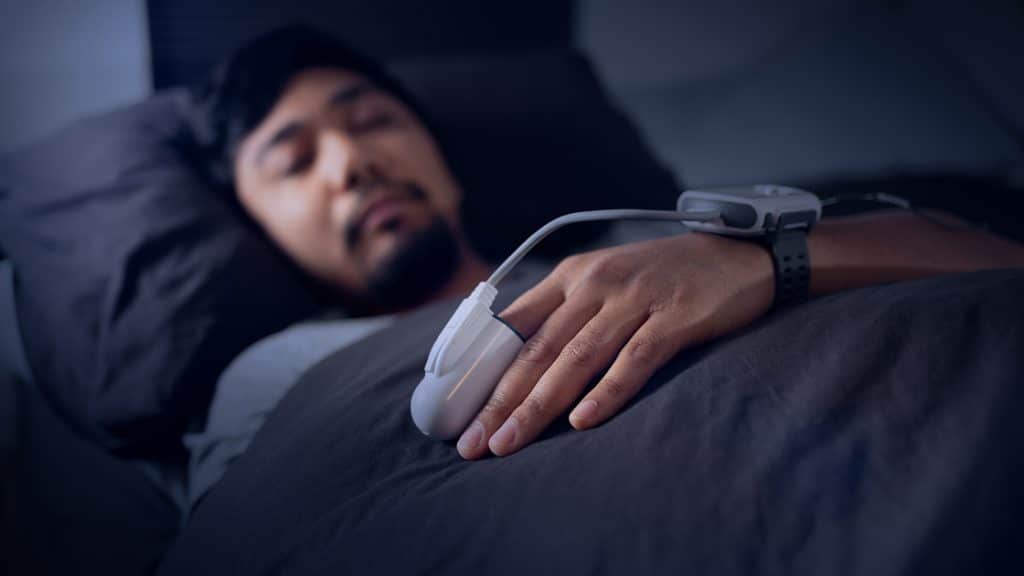
We are moving toward an era of “smart” sleep. Wearable technology is becoming increasingly accurate at detecting apnea events, allowing for real-time monitoring without a hospital stay. This data can help doctors fine-tune treatments remotely.
Furthermore, research into pharmacological treatments is accelerating. Scientists are investigating drugs that can increase the muscle tone of the upper airway during sleep, potentially offering a pill-based solution for certain types of apnea.
The Role of Personalized Medicine
The future lies in phenotyping—identifying the specific traits causing a patient’s apnea. One patient might have apnea due to a small jaw structure, while another has it due to poor muscle responsiveness. Treatments in the future will be hyper-targeted. Instead of a blanket prescription for CPAP, genetic and anatomical profiling will dictate a custom-tailored regimen, much like the philosophy currently employed by the Sleep Better Solution.
Achieving Optimal Sleep Health
Sleep is the foundation upon which good health is built. Ignoring sleep apnea is akin to ignoring a structural crack in the foundation of your home. The risks are too high, and the impact on your daily quality of life is too great to ignore.
While CPAP remains a vital tool, it is no longer the only option. The landscape of treatment has broadened to include oral appliances, positional therapies, and surgical innovations. More importantly, the shift toward comprehensive care models represents a significant leap forward.
If you have struggled with traditional treatments or suspect you may be suffering from undiagnosed apnea, do not settle for fatigue. Explore comprehensive options like the Sleep Better Solution. By integrating medical expertise with personalized lifestyle adjustments, you can find a path to restful sleep that is both effective and sustainable.
Sleep Better Solution
https://maps.app.goo.gl/a8bnq8tEgXLjys117
147 Main St #7, Lodi, NJ 07644
(862) 208-2112
https://www.sleepbettersolutionnow.com/