
Pinpoint the Problem: How Sleep Studies Detect Sleep Apnea and Other Disorders
Do you often feel tired even after a full night’s sleep? Waking up with a headache or finding it hard to focus during the day could be more than just a sign of a busy life. Ongoing sleep issues can silently impact your energy, focus, and long-term health, and they deserve a closer look.
Many people with undiagnosed sleep disorders feel perpetually exhausted despite believing they’ve slept through the night. This happens because the quality of their rest is poor, preventing the body and mind from fully recuperating. Conditions like sleep apnea cause repeated interruptions in breathing, pulling you out of deep, restorative sleep without you even realizing it.
Professional sleep testing is the key to unlocking answers. Specialized centers like Sleep Better Solution can monitor exactly what happens while you sleep, providing clear insights into the root cause of your fatigue. By understanding the problem, you can find the right solution and finally achieve the restful nights you need.
Understanding the Science of Sleep Disorders
The Spectrum of Sleep Problems
Sleep disorders cover a wide range of conditions, each with distinct characteristics. Sleep apnea involves repeated interruptions in breathing. Insomnia is the inability to fall or stay asleep. Narcolepsy causes overwhelming daytime sleepiness. Restless leg syndrome (RLS) creates an uncontrollable urge to move your legs, while parasomnias include unusual behaviors like sleepwalking or talking.
Why Symptoms Often Go Unnoticed
Many symptoms of sleep disorders are subtle and easily dismissed as normal fatigue. Morning headaches, difficulty concentrating, irritability, and persistent daytime sleepiness are common signs that something is wrong. Because these issues develop gradually, many people adapt to feeling tired without realizing that their sleep is the underlying problem, which is why professional evaluation is so important.
The Importance of Early Detection
Identifying and treating sleep disorders early can significantly improve your health and well-being. Left untreated, conditions like sleep apnea can increase the risk of serious health problems, including heart disease, high blood pressure, and depression. Early detection not only prevents these complications but also restores your energy and enhances your overall quality of life.
What Is a Sleep Study—and Why It’s the Gold Standard for Diagnosis

Breaking Down the Process
A sleep study, or polysomnography, is a comprehensive test that provides a detailed picture of your sleep. It measures critical data, including brain waves (EEG) to identify sleep stages, blood oxygen levels, heart rate, breathing patterns, and body movements.
In-Lab vs. At-Home Testing
Sleep studies can be conducted either in a specialized lab or in the comfort of your own home. In-lab studies offer the most comprehensive monitoring and are ideal for diagnosing complex disorders. At-home tests are a convenient and effective option for identifying conditions like obstructive sleep apnea in patients without other serious health issues.
Accurate Insights, Real Solutions
The detailed data gathered from a sleep study forms the foundation for a targeted and effective treatment plan. By pinpointing the exact nature of your sleep disturbances, specialists can recommend solutions tailored to your specific needs. This precision ensures that you receive the most appropriate care, leading to better sleep and improved health.
Inside the Sleep Lab: What to Expect During the Test
Prepping for the Night
When you arrive for an in-lab sleep study, a technician will welcome you and guide you to a private, comfortable room designed to feel like a hotel. They will explain the process and attach small sensors to your scalp, face, chest, and legs using a mild adhesive.
The Technology Behind the Test
The technology used in a sleep study is designed to capture a complete picture of your sleep. Electrodes monitor brain activity and eye movements, while airflow sensors track your breathing. A small device called a pulse oximeter, placed on your finger, measures your blood oxygen levels.
After the Lights Go Out
Once you are settled in, the lights will be turned off, and you can go to sleep as you normally would. A trained technician will monitor your sleep patterns from a separate room using video and audio equipment. This discreet observation ensures that any issues during the night are recorded while allowing you to rest with minimal disturbance.
How Sleep Studies Detect Sleep Apnea and Other Hidden Disorders
Spotting Obstructive Sleep Apnea (OSA)
A sleep study is highly effective at detecting obstructive sleep apnea. Technicians look for specific patterns, such as repeated pauses in breathing (apneas) or periods of shallow breathing (hypopneas). The test also measures corresponding drops in blood oxygen levels and brief awakenings, which are classic signs of OSA.
Uncovering Other Disorders
Beyond sleep apnea, polysomnography can identify other hidden conditions. For example, periodic leg movements recorded during the study can point to restless leg syndrome. By analyzing brain wave patterns, specialists can detect the abnormal REM sleep behavior associated with narcolepsy or identify the causes of chronic insomnia.
Why Professional Analysis Matters
Interpreting the complex data from a sleep study requires expertise. Sleep specialists are trained to analyze the intricate patterns and distinguish between minor, occasional disturbances and indicators of a serious disorder. Their professional analysis is crucial for an accurate diagnosis and for developing an effective treatment plan tailored to your specific condition.
From Results to Relief: Understanding Your Sleep Study Findings
Decoding the Data
After your sleep study, a specialist will review the results with you and explain the key metrics. One of the most important is the Apnea-Hypopnea Index (AHI), which measures the number of breathing interruptions per hour of sleep. They will also discuss your blood oxygen saturation levels and how these findings relate to your symptoms.
Creating a Personalized Plan
Based on your sleep study results, the specialist will create a personalized treatment plan. For sleep apnea, this may involve Continuous Positive Airway Pressure (CPAP) therapy, a custom oral appliance, or lifestyle recommendations. For other disorders, treatments might include medication, behavioral therapy, or changes to your sleep routine.
The Follow-Up Process
Effective treatment for sleep disorders often requires ongoing management. Regular follow-up appointments are essential to monitor your progress, make adjustments to your treatment, and ensure it remains effective. This continued partnership with your sleep specialist is key to achieving long-term improvements in your sleep and overall health.
The Role of Sleep Better Solution in Personalized Sleep Care
Comprehensive Testing and Analysis
At Sleep Better Solution, we offer both in-lab and at-home sleep testing options to provide the most convenient and appropriate diagnostic solution for you. Our state-of-the-art technology ensures we capture comprehensive data, allowing for an accurate and thorough analysis of your sleep patterns.
Expert-Driven, Patient-Focused Care
Our dedicated team of experienced sleep specialists is committed to providing patient-focused care. We take the time to interpret your results, explain them clearly, and work with you to develop a treatment plan that fits your lifestyle. Our goal is to empower you with knowledge and support on your journey to better sleep.
Beyond Diagnosis: Ongoing Support
Our commitment to your health extends beyond the initial diagnosis. We provide continuous support and follow-up care to track your progress and make any necessary adjustments to your treatment. At Sleep Better Solution, we partner with you for the long term to ensure you achieve lasting comfort and restful sleep.
What Happens If Sleep Disorders Go Untreated
The Physical Consequences
Ignoring sleep disorders can lead to serious physical health problems. Untreated sleep apnea, for example, is linked to an increased risk of hypertension, heart disease, stroke, obesity, and type 2 diabetes.
The Mental and Emotional Impact
The effects of untreated sleep disorders are not just physical. Chronic poor sleep can significantly impact your mental and emotional well-being, contributing to anxiety, depression, mood swings, and cognitive decline.
The Cost of Ignoring the Problem
Ultimately, the cost of ignoring a sleep disorder is a reduced quality of life. Persistent fatigue, poor health, and emotional strain can prevent you from enjoying your daily activities and reaching your full potential. Seeking treatment is an investment in your overall well-being, productivity, and long-term health.

Taking Charge of Your Sleep Health: When and How to Get Tested
Recognizing the Warning Signs
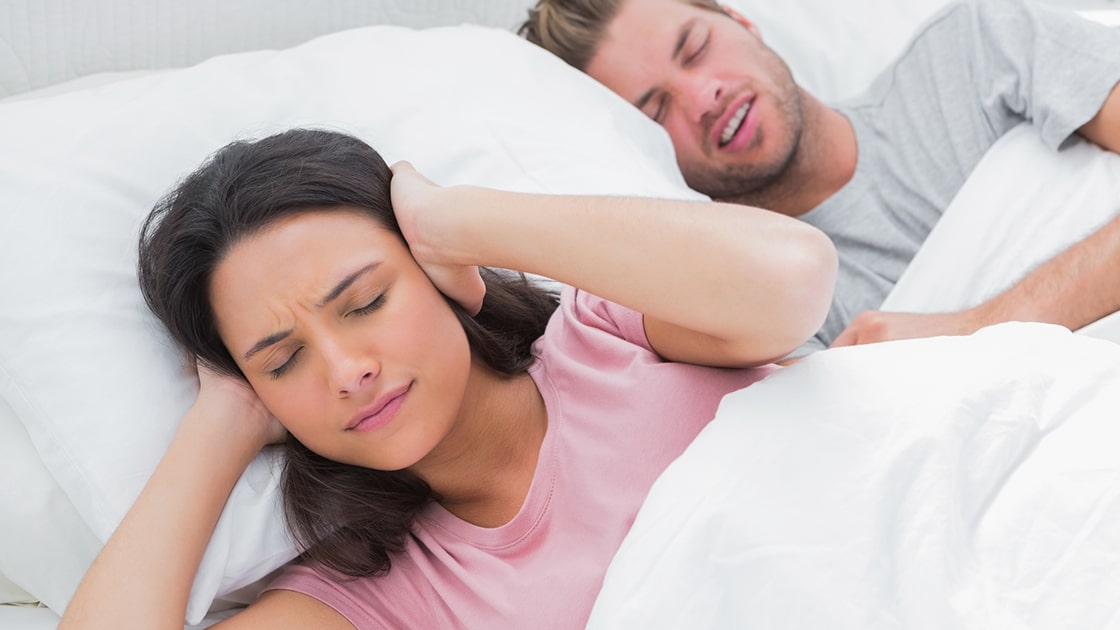
It’s important to recognize the warning signs of a potential sleep disorder. Common red flags include loud or frequent snoring, gasping for air during sleep, chronic daytime tiredness, morning headaches, and difficulty concentrating. If you experience any of these symptoms regularly, it may be time to consult a specialist.
Booking Your Sleep Study
Scheduling a consultation or sleep study is a straightforward process. At centers like Sleep Better Solution, you can easily book an appointment to discuss your symptoms and determine if testing is needed. Whether you opt for an in-lab or at-home test, getting started is the first step toward finding answers.
Commitment to Better Sleep
Diagnosing a sleep disorder is just the beginning. The key to lasting results is a commitment to following through with your recommended treatment and making necessary lifestyle changes. Embracing this journey will help you regain control over your sleep and improve your overall health for years to come.
Rest Isn’t a Luxury—It’s a Lifeline
A precise diagnosis is the cornerstone of effective treatment for any sleep disorder. Sleep studies provide the clear, detailed data needed to understand the root cause of your sleep issues, removing the guesswork and setting you on the fastest path to relief. Without this clarity, you might struggle with ineffective solutions that fail to address the real problem.
Navigating the world of sleep disorders can be overwhelming, but you don’t have to do it alone. The guidance of a professional sleep center like Sleep Better Solution is invaluable. Our experts support you at every step, from accurate diagnosis to personalized treatment and ongoing care, helping you transition from a life of fatigue to one of vitality.
If you’re tired of feeling tired, it’s time to take control of your sleep health. A professional sleep study can provide the answers you need to wake up feeling refreshed and energized. Don’t let another sleepless night dictate your day. Contact us to start your journey toward a better, more restful life.
Sleep Better Solution
https://maps.app.goo.gl/a8bnq8tEgXLjys117
147 Main St #7, Lodi, NJ 07644
(862) 208-2112
https://www.sleepbettersolutionnow.com/