How Sleep Centers Help Monitor and Manage Chronic Sleep Apnea
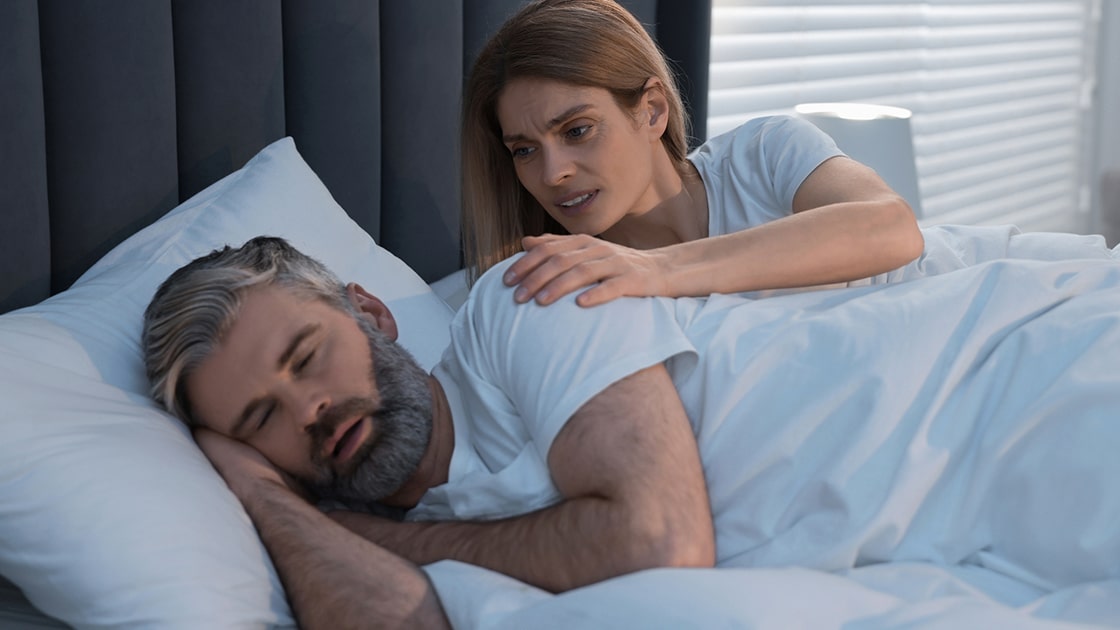
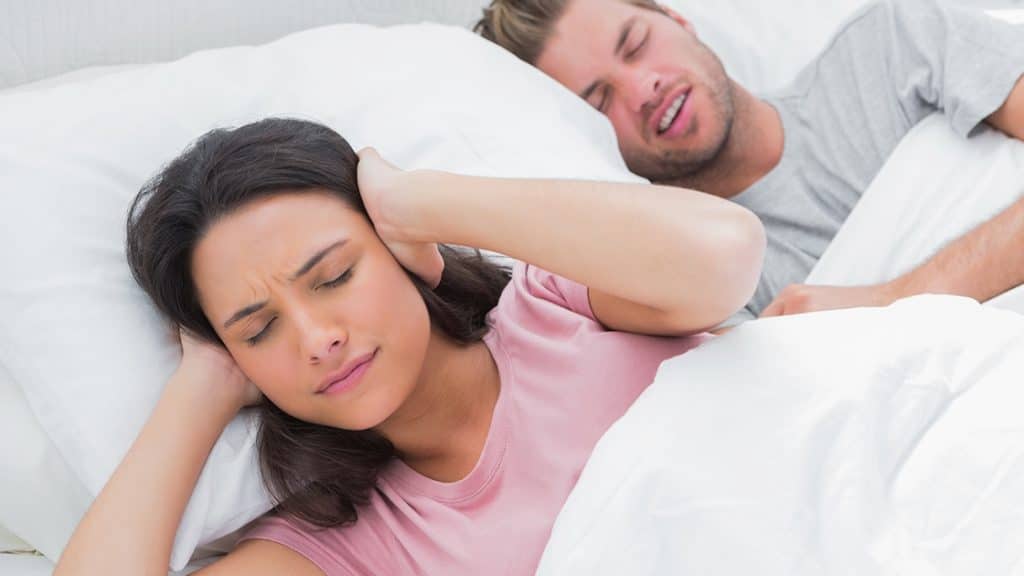
We often joke about loud snoring. It’s the punchline in sitcoms or the subject of playful nudges between partners. But for millions of people, snoring is the audible signal of a much more serious struggle happening beneath the surface. It is often the primary symptom of sleep apnea, a chronic condition that does more than just ruin a good night’s rest—it systematically stresses the heart, brain, and metabolic system.
For those living with untreated sleep apnea, the night is a battleground. Airflow stops, oxygen levels drop, and the body jerks awake in a panic to breathe, sometimes hundreds of times per night. The result is a fragmented, non-restorative sleep that leaves individuals exhausted, irritable, and at risk for severe health complications.
While the situation sounds dire, the pathway to treatment is well-established. Specialized sleep centers have evolved into sophisticated medical hubs designed not just to diagnose sleep disorders, but to manage them over the long term. These centers offer a combination of advanced technology and medical expertise to turn a chaotic night of sleep into a peaceful, restorative experience. By understanding how these centers operate, patients can take the first step toward reclaiming their health.
Understanding the Enemy: What is Sleep Apnea?
Before exploring how sleep centers help, it is vital to understand what they are treating. Sleep apnea is a potentially serious sleep disorder in which breathing repeatedly stops and starts. If you snore loudly and feel tired even after a full night’s sleep, you might have sleep apnea.
There are three main types of this condition:
- Obstructive Sleep Apnea (OSA): This is the most common form. It occurs when the throat muscles intermittently relax and block the airway during sleep.
- Central Sleep Apnea (CSA): This occurs when the brain doesn’t send proper signals to the muscles that control breathing. It is less about a blockage and more about a communication failure in the nervous system.
- Complex Sleep Apnea Syndrome: Also known as treatment-emergent central sleep apnea, this occurs when someone has both obstructive sleep apnea and central sleep apnea.
The impact of these interruptions is profound. When breathing stops, oxygen levels in the blood plummet. This triggers a stress response, releasing adrenaline and spiking blood pressure. Over time, this chronic stress leads to hypertension, heart disease, stroke, and type 2 diabetes. Beyond physical health, the lack of REM sleep affects cognitive function, leading to memory problems, difficulty concentrating, and mood disorders like depression.
The Role of Sleep Centers
A sleep center, often accredited by organizations like the American Academy of Sleep Medicine, is a medical facility dedicated to the diagnosis and treatment of sleep disorders. While many people associate these centers solely with overnight testing, their role is far more comprehensive.
Modern sleep centers function as the central nervous system for a patient’s care plan. They are staffed by a multidisciplinary team that includes sleep medicine physicians, respiratory therapists, and polysomnographic technologists. Their goal is to move beyond simple symptom management to address the root cause of the apnea.
These centers provide a controlled environment where variables can be isolated. In a home setting, pets, temperature, noise, and partner movement can obscure the data. In a sleep center, the environment is clinical yet comfortable, designed to capture the most accurate physiological data possible. This precision is what allows for a tailored treatment plan rather than a one-size-fits-all approach.
Monitoring Techniques: The Science of Sleep
Diagnosis is the foundation of recovery. Sleep centers utilize two primary methods to monitor breathing patterns and physiological responses during sleep.
Polysomnography (In-Lab Sleep Study)
This is the gold standard for sleep apnea diagnosis. Patients spend the night at the sleep center in a private room that resembles a hotel room but is equipped with advanced monitoring equipment. During a polysomnography, technologists place sensors on the patient’s scalp, temples, chest, and legs.
These sensors record a massive amount of data, including:
- Brain waves (EEG): To determine sleep stages (Light, Deep, REM).
- Eye movements (EOG): To detect REM sleep.
- Heart rate and rhythm (ECG): To screen for arrhythmias caused by apnea.
- Breathing patterns: Measuring airflow through the nose and mouth.
- Blood oxygen levels: Tracking desaturation events.
- Muscle activity: Checking for limb movements or teeth grinding.
The tech team monitors this data in real-time. If the apnea is severe, they may intervene during the night to test a CPAP (Continuous Positive Airway Pressure) machine, a process known as a “split-night study.”
Home Sleep Apnea Testing (HSAT)
For patients with a high probability of moderate to severe obstructive sleep apnea and no other significant medical conditions (like heart failure or neuromuscular disease), centers may prescribe a Home Sleep Apnea Test.
This involves a simplified breathing monitor that the patient takes home. It typically tracks oxygen levels, heart rate, and airflow. While less comprehensive than an in-lab study—it generally does not record sleep stages—it is a convenient first step for many. The sleep center analyzes the data retrieved from the device to determine if a diagnosis can be made or if an in-lab study is necessary for confirmation.
Management Strategies
Once a diagnosis is confirmed, the sleep center shifts focus to management. Chronic sleep apnea is not usually “cured” in the traditional sense; it is managed. The goal is to keep the airway open to ensure continuous oxygenation.
Positive Airway Pressure (PAP) Therapy
The most common and effective treatment is Positive Airway Pressure. A machine delivers air pressure through a mask specifically fitted to the patient’s face. This air pressure acts as a pneumatic splint, keeping the upper airway passages open, preventing apnea and snoring.
Sleep centers offer different modes of PAP based on patient needs:
- CPAP (Continuous): Delivers constant pressure.
- BiPAP (Bilevel): Delivers higher pressure when breathing in and lower pressure when breathing out.
- APAP (Automatic): Automatically adjusts pressure breath-by-breath based on resistance.
Oral Appliances
For patients with mild to moderate sleep apnea who cannot tolerate CPAP, sleep centers often coordinate with dentists to provide oral appliances. These custom-fit devices look like sports mouthguards. They work by repositioning the lower jaw (mandible) forward, which pulls the tongue away from the back of the throat and opens the airway.
Lifestyle and Behavioral Adjustments
Technicians and physicians at sleep centers also guide patients through lifestyle changes that can reduce symptom severity. This might include:
- Weight Management: Excess tissue in the neck can worsen airway obstruction.
- Positional Therapy: Some people only experience apnea when sleeping on their backs. Special devices can encourage side-sleeping.
- Alcohol and Sedative Avoidance: These substances relax throat muscles, increasing the likelihood of collapse.
Surgical Options
When non-invasive therapies fail, sleep centers may refer patients for surgical evaluation. Options range from tissue removal (UPPP) to newer innovations like Hypoglossal Nerve Stimulation (Inspire therapy), where a specialized pacemaker stimulates the nerve controlling the tongue to keep the airway open.
The “Sleep Better Solution”
Many top-tier sleep centers are moving toward a holistic care model often referred to as the Sleep Better Solution. This concept represents a shift from transactional medicine (diagnose and dismiss) to relationship-based care.
The Sleep Better Solution acknowledges that handing a patient a CPAP machine is only 10% of the battle. The other 90% is compliance, comfort, and adaptation. Using a mask at night feels unnatural for most people, and without support, abandonment rates for therapy are high.
Under the Sleep Better Solution framework, sleep centers provide:
- Desensitization Training: Helping patients get used to the mask while awake.
- Remote Monitoring: Modern devices send data directly to the sleep center via the cloud. Technicians can see if a mask is leaking or if pressure needs adjusting without the patient ever leaving their house.
- Regular Follow-ups: Scheduled check-ins to troubleshoot skin irritation, dryness, or claustrophobia.
This comprehensive approach ensures that the treatment fits the patient’s lifestyle, rather than forcing the patient to conform to the treatment. It turns a medical device into a seamless part of the nightly routine.
Benefits of Professional Monitoring
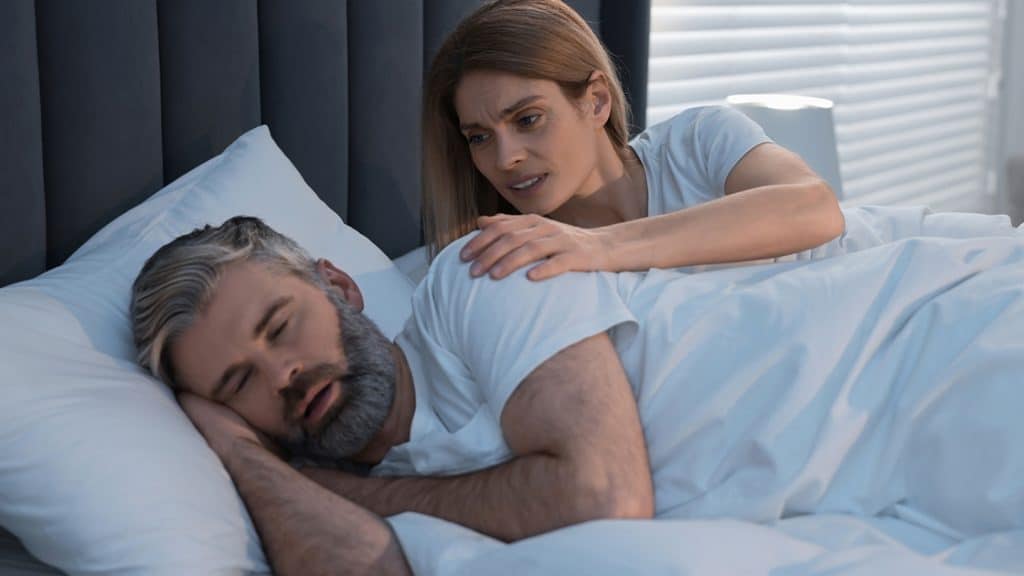
Attempting to treat snoring or suspected apnea with over-the-counter devices often leads to frustration and wasted money. The primary benefit of engaging a sleep center is the element of professional monitoring.
Objective Data vs. Subjective Feeling
You cannot analyze your own sleep. You might feel “okay” after six hours, but your heart might have been under stress all night. Professional monitoring provides objective data—specifically the Apnea-Hypopnea Index (AHI)—to track exactly how many times breathing stops per hour. Centers aim to get this number under five.
Cardiovascular Protection
Continuous monitoring allows physicians to spot trends. If oxygen desaturation persists despite treatment, it may indicate a need to change therapy types. This vigilance protects the heart from the long-term damage caused by hypoxia (low oxygen).
Improved Quality of Life
When apnea is effectively managed through professional oversight, the changes are often dramatic. Patients report the lifting of “brain fog,” returned energy levels, stabilized mood, and improved libido. By ensuring the therapy is actually working, sleep centers help patients get their lives back.
Reclaim Your Nights
Sleep is not a luxury; it is a biological necessity. Chronic sleep apnea acts as a barrier to health, slowly eroding physical and mental well-being. However, it is a highly manageable condition when treated correctly.
Sleep centers offer more than just a quiet room and wires. They offer a lifeline. Through precise diagnostics like polysomnography, effective management tools like CPAP, and comprehensive care models like the Sleep Better Solution, these centers guide patients out of exhaustion and into a healthier future.
If you suspect you or a loved one is suffering from sleep apnea, do not wait for the symptoms to worsen. Consult a medical professional and locate a sleep center near you. The path to a better life begins with a better night’s sleep.
Sleep Better Solution
https://maps.app.goo.gl/a8bnq8tEgXLjys117
147 Main St #7, Lodi, NJ 07644
(862) 208-2112
https://www.sleepbettersolutionnow.com/