How a Sleep Study Center Near You Can Reveal the Root Cause of Restless Nights
We’ve all had those mornings. The alarm goes off, and instead of feeling refreshed, you feel like you’ve gone twelve rounds in a boxing ring. Your eyes are heavy, your focus is fuzzy, and the coffee pot can’t brew fast enough. For many, this is just an occasional annoyance caused by a late-night movie or a stressful week. But for millions of others, exhaustion is a chronic, debilitating companion.
Sleep issues are incredibly common, yet often dismissed as just a part of modern life. We tell ourselves we’re just busy, stressed, or getting older. However, persistent fatigue is rarely “just” anything—it’s often a signal from your body that something deeper is wrong. When chamomile tea and blackout curtains aren’t cutting it, the answer might lie in medical diagnostics.
This is where a sleep study comes in. Far from being a mysterious medical experiment, a sleep study is a comprehensive evaluation that acts as a roadmap to better health. If you are tired of being tired, finding a sleep study center like Sleep Better Solution could be the turning point you’ve been waiting for.
Understanding Sleep Studies
A sleep study, medically known as a polysomnogram (PSG), is the gold standard for diagnosing sleep disorders. It is a non-invasive, pain-free test that records specific physical activities while you sleep. The goal isn’t just to see if you are sleeping, but how you are sleeping.
What happens during the test?
During a sleep study, specialized equipment monitors a variety of body functions, including:
- Brain waves (EEG) to determine sleep stages.
- Eye movements (EOG) to identify REM sleep.
- Muscle activity (EMG) to detect teeth grinding or leg movements.
- Heart rate and rhythm (ECG).
- Breathing patterns and oxygen levels in your blood.
- Body positioning and snoring volume.
This data allows specialists to see the architecture of your sleep—how much time you spend in deep sleep versus light sleep, how often you wake up (even if you don’t remember it), and whether your breathing is obstructed.
In-Lab vs. At-Home Studies
There are generally two types of sleep studies available. An in-lab study is the most comprehensive. You spend the night at a sleep center in a private, comfortable room that feels more like a hotel than a hospital. Technicians monitor you from a separate room throughout the night. This is essential for diagnosing complex disorders like narcolepsy or REM sleep behavior disorder.
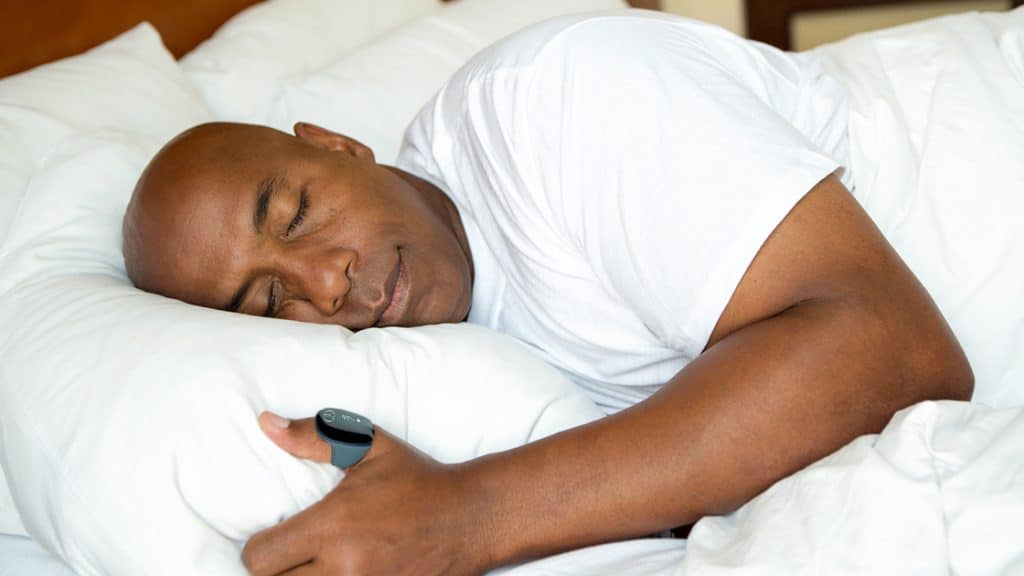
Alternatively, an at-home sleep apnea test (HSAT) might be prescribed if your doctor specifically suspects moderate to severe obstructive sleep apnea. You take a portable device home, wear it while you sleep in your own bed, and return it for analysis. While convenient, these tests monitor fewer biological markers than in-lab studies and may not detect other sleep disorders.
Common Sleep Disorders Diagnosed by Sleep Studies
You might think you’re just a “light sleeper,” but the data often tells a different story. Sleep studies can uncover dozens of distinct disorders, but these are four of the most common culprits behind restless nights.
Sleep Apnea
This is perhaps the most well-known condition diagnosed in sleep centers. Obstructive Sleep Apnea (OSA) occurs when the muscles in the throat relax intermittently, blocking your airway during sleep. This causes you to stop breathing repeatedly—sometimes hundreds of times a night.
- Symptoms include: Loud snoring, gasping for air during sleep, morning headaches, and excessive daytime sleepiness.
- Health risks: Left untreated, sleep apnea is linked to high blood pressure, heart disease, stroke, and diabetes.
Insomnia
While often diagnosed based on patient history, a sleep study can help rule out other conditions masquerading as insomnia. Insomnia involves difficulty falling asleep, staying asleep, or waking up too early. It can be acute (short-term) or chronic (lasting months or years).
- Causes: Stress, anxiety, hormonal changes, or underlying medical conditions.
- Treatments: Cognitive Behavioral Therapy for Insomnia (CBT-I) is often the first line of defense, sometimes paired with medication.
Restless Legs Syndrome (RLS)
RLS is a neurological disorder that causes an uncontrollable urge to move your legs, usually because of an uncomfortable sensation. It often worsens in the evening or when you are trying to rest.
- Symptoms: Crawling, creeping, pulling, or itching sensations in the legs that are relieved by movement.
- Impact: Because the symptoms peak at night, RLS makes falling asleep incredibly difficult, leading to severe sleep deprivation.
Narcolepsy
Narcolepsy is a chronic sleep disorder characterized by overwhelming daytime drowsiness and sudden attacks of sleep. People with narcolepsy often find it difficult to stay awake for long periods, regardless of the circumstances.
- Symptoms: Excessive daytime sleepiness, sleep paralysis, hallucinations, and cataplexy (sudden loss of muscle tone triggered by emotion).
- Diagnosis: This almost always requires an in-lab study followed by a daytime nap study (MSLT) to measure how quickly you fall asleep and enter REM sleep.
The Benefits of Identifying the Root Cause
Many people hesitate to book a sleep study because they fear the diagnosis or simply don’t want the hassle. However, the benefits of pinpointing the exact cause of your sleep deprivation are transformative.
- Improved Sleep Quality: Once you know what’s wrong, you can fix it. Whether it’s a CPAP machine for apnea or medication for RLS, treatment leads to deeper, more restorative sleep.
- Reduced Health Risks: Treating sleep disorders lowers your risk of serious comorbidities. For example, treating sleep apnea can significantly improve blood pressure control and heart health.
- Better Daytime Functioning: Imagine getting through a meeting without your eyelids drooping. Proper sleep restores cognitive function, memory, and concentration. You become more productive at work and more present with your family.
- Enhanced Emotional Well-being: Sleep and mood are deeply connected. Chronic sleep deprivation contributes to irritability, anxiety, and depression. Restoring your sleep cycles can stabilize your mood and improve your overall outlook on life.
The Role of a Sleep Study Center
A specialized sleep study center does more than just administer a test. They act as your partner in health. General practitioners are fantastic for overall wellness, but sleep medicine is a complex field requiring specific expertise.
Sleep centers are equipped with state-of-the-art technology that can detect subtle physiological changes a standard check-up would miss. Furthermore, they offer personalized treatment plans. Sleep medicine is not one-size-fits-all. What works for one patient with insomnia might not work for another. Specialists tailor therapies to your specific lifestyle and biology.
Crucially, these centers provide follow-up care. Starting a treatment like CPAP therapy can be an adjustment. A dedicated sleep team monitors your progress, adjusts equipment settings, and helps you troubleshoot issues to ensure long-term success.
What to Look for in a Sleep Study Center
Not all sleep labs are created equal. When searching for a “sleep study center near me,” consider these factors to ensure you receive the highest quality care:
Accreditation and Certifications
Ensure the center is accredited by a recognized body, such as the American Academy of Sleep Medicine (AASM). This ensures they adhere to rigorous standards regarding facility safety, patient care, and equipment maintenance.
Experienced Staff
Look for board-certified sleep medicine physicians and registered polysomnographic technologists (RPSGT). These credentials indicate that the staff has undergone specialized training and education in sleep disorders.
Comfortable Facilities
Since you’ll be sleeping there, the environment matters. Look for centers that offer private rooms with comfortable beds (not hospital gurneys), soundproofing, and perhaps even private bathrooms. A comfortable environment helps you achieve a more natural night’s sleep, leading to more accurate data.
Patient Reviews
Read testimonials. Do patients feel listened to? Was the staff friendly and explaining the process clearly? Was the billing transparent? Previous patients’ experiences can give you a clear idea of what to expect.
Insurance and Payment
Sleep studies can be expensive. Verify that the center is in-network with your insurance provider and ask about their policies on co-pays and deductibles. A good center will help you navigate the financial aspect of your care.
Sleep Better Solution: Your Partner in Restful Nights
If you are looking for a facility that combines medical expertise with compassionate care, look no further than Sleep Better Solution. We understand that taking the step to undergo a sleep study can feel daunting, which is why we prioritize patient comfort and education above all else.
At Sleep Better Solution, we utilize the latest diagnostic technology to get a crystal-clear picture of your sleep health. But we don’t just hand you a report and send you on your way. Our team of specialists works with you to interpret the results and develop a lifestyle-friendly treatment plan.
Whether you need a comprehensive in-lab assessment or a convenient home testing kit, we have the resources to help you reclaim your nights.
Preparing for Your Sleep Study
So, you’ve decided to book your appointment. Congratulations on prioritizing your health! To get the most accurate results from your study at Sleep Better Solution, a little preparation goes a long way.
Pre-Study Guidelines:
- Avoid Caffeine and Alcohol: Stay away from coffee, soda, and alcohol after noon on the day of your study, as these can alter your sleep architecture.
- Hair and Skin: Wash your hair and avoid using gels, sprays, or lotions. Clean skin and hair help the sensors adhere better.
- Medications: Discuss your current medications with your sleep doctor beforehand. You should usually take your regular medications unless instructed otherwise.
- Napping: Try to avoid napping on the day of the study so you are tired enough to sleep during the test.
Addressing Anxiety:
It is normal to feel nervous about sleeping in a new place while hooked up to wires. Remember, the sensors are glued or taped on; needles are not involved. You can roll over and move around. The technicians are there to help you, not to judge your sleep. If you need to use the restroom during the night, simply speak up—they can disconnect you easily.
Take the First Step Towards Better Sleep
Ignoring sleep problems won’t make them disappear; it usually just allows them to compound into larger health issues. You deserve to wake up feeling ready to tackle the day, not dreading it.
A sleep study is a short-term investment of time that provides long-term answers. It is the bridge between the exhaustion you feel now and the vitality you are capable of. Don’t spend another night staring at the ceiling wondering why you can’t rest.
If you suspect you have a sleep disorder, or if you simply can’t explain your chronic fatigue, contact Sleep Better Solution today. Schedule a consultation and let us help you uncover the root cause of your restless nights. Your journey to better health starts with a single night of answers.
Sleep Better Solution
https://maps.app.goo.gl/a8bnq8tEgXLjys117
147 Main St #7, Lodi, NJ 07644
(862) 208-2112
https://www.sleepbettersolutionnow.com/