
From Diagnosis to Treatment: Your Path to Healthier Sleep Starts Here
Many people accept persistent fatigue and poor sleep as a normal, unavoidable part of life. They might not realize that a clear, structured path to better health often exists. This journey begins with understanding the root cause of poor sleep and exploring effective, personalized solutions.
Improving your sleep is a well-defined process. It moves methodically from recognizing initial symptoms to receiving a formal diagnosis and starting an effective treatment plan tailored to your specific needs. This process removes the guesswork and provides a clear direction toward better health.
This post will serve as your roadmap, guiding you through each critical stage of the sleep health journey. We will cover everything from initial screening and diagnosis to the various treatment options available. Our goal is to empower you with the knowledge to confidently take the first step toward restorative sleep and a healthier life.
Step One: Recognizing the Signs of a Sleep Disorder
Identifying Key Symptoms
The first step is noticing the common red flags of a sleep breathing disorder. These often include loud, persistent snoring that disrupts others, observed pauses in breathing during sleep, frequent morning headaches, and waking up with a consistently dry or sore throat.
The Impact on Your Waking Hours
The consequences of poor sleep extend far beyond the night. Daytime symptoms are often what prompt people to seek help. These can include excessive sleepiness even after a full night in bed, difficulty with concentration and memory that affects work or daily tasks, and unexplained irritability or mood swings.
The Importance of Listening to a Partner
A bed partner can play a vital role in identifying a sleep disorder. They may observe nighttime events that you are completely unaware of, such as gasping or choking for air, significant restlessness, or periods where breathing stops altogether. This firsthand account provides invaluable information and is often the most compelling reason to seek a professional opinion.
Step Two: The Initial Consultation and Screening
Speaking with a Healthcare Professional
Once you recognize the signs, the next step is to discuss your symptoms with a physician or another qualified healthcare provider. They can assess your overall health, review your medical history, and identify risk factors for a sleep disorder.
The Screening Process
During a screening, you can expect to fill out questionnaires, such as the Epworth Sleepiness Scale, to quantify your level of daytime sleepiness. Your provider will also likely conduct a physical examination of your head, neck, and airway and have a detailed discussion about your sleep habits and medical history.
Determining if a Formal Study is Needed
Based on the information gathered during the screening and consultation, your provider will determine if your symptoms warrant a formal diagnostic sleep study. If a sleep disorder is suspected, they will refer you to a sleep specialist or a sleep center for further evaluation.
Step Three: The Diagnostic Phase—Pinpointing the Problem
The In-Lab Polysomnogram (PSG)
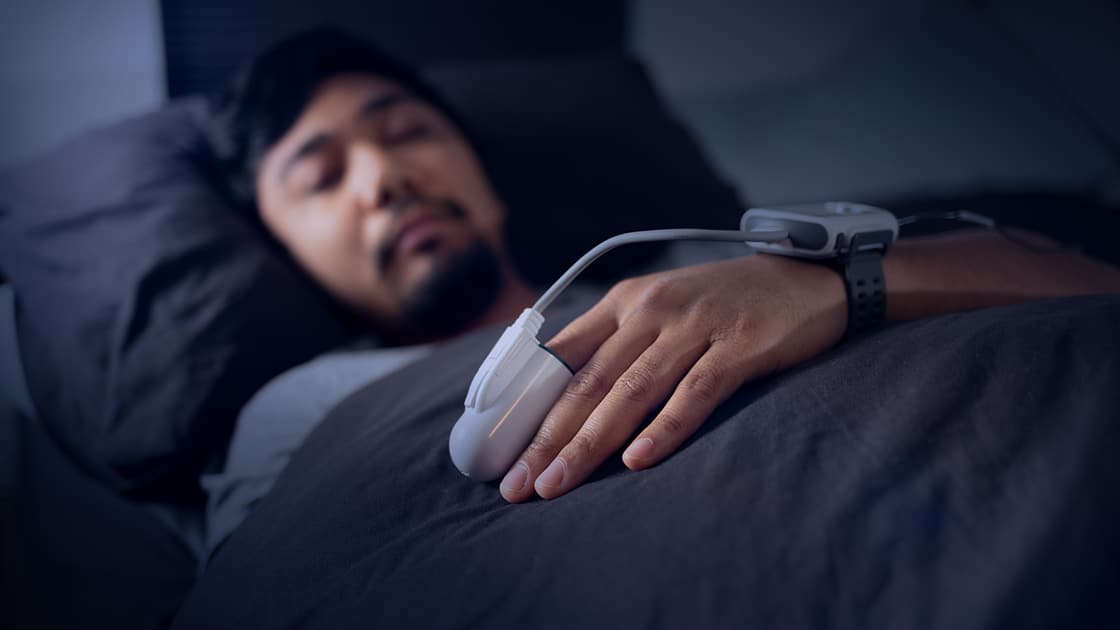
A polysomnogram, or PSG, is a comprehensive, overnight study conducted in a sleep center. During the study, various sensors monitor your brain activity, eye movements, muscle tone, heart rhythm, breathing patterns, and blood oxygen levels. This detailed data provides a complete picture of your sleep architecture and helps diagnose a wide range of sleep disorders with high accuracy.
Home Sleep Apnea Testing (HSAT)
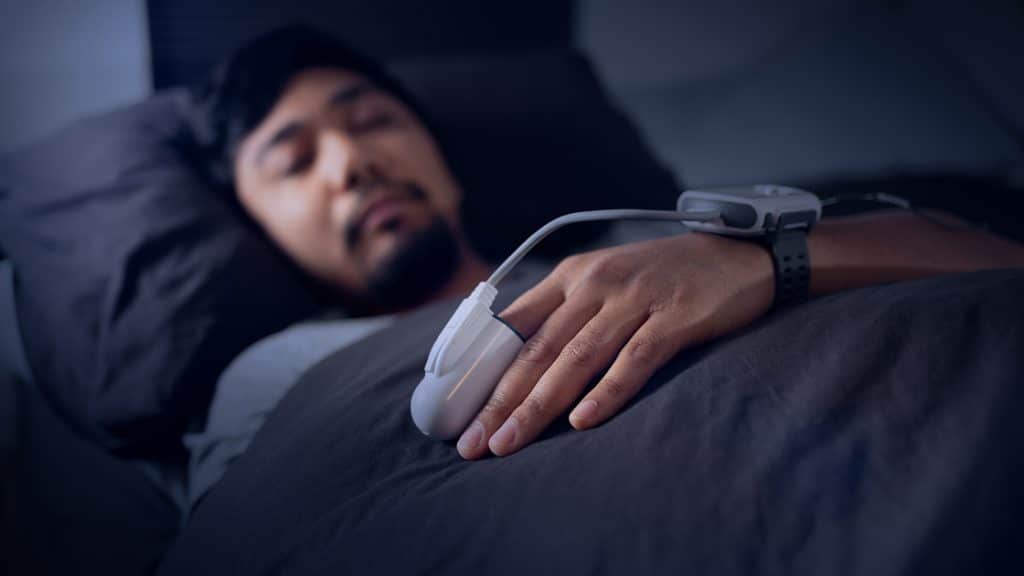
For some individuals, a Home Sleep Apnea Test (HSAT) is a more convenient option. This simplified device is used in the comfort of your own home to screen specifically for obstructive sleep apnea. While not as comprehensive as an in-lab study, an HSAT is an effective and accessible tool for diagnosing many cases of sleep apnea.
Receiving Your Diagnosis
After the study, you will have a follow-up appointment with a sleep physician to review the results. The physician will explain the diagnosis, such as obstructive sleep apnea (OSA), and clarify its severity based on metrics like the Apnea-Hypopnea Index (AHI). This appointment is your opportunity to understand the findings and ask questions about what they mean for your health.
Step Four: Understanding Your Diagnosis
What is Obstructive Sleep Apnea (OSA)?
Obstructive sleep apnea is a common sleep disorder where the airway repeatedly becomes partially or fully blocked during sleep. These blockages cause breathing to pause, leading to a drop in blood oxygen levels and brief awakenings. These events can happen hundreds of time per night, disrupting sleep and straining the cardiovascular system.
Understanding Severity Levels (Mild, Moderate, Severe)
The severity of OSA is classified based on the Apnea-Hypopnea Index (AHI), which measures the average number of breathing pauses per hour of sleep. An AHI of 5-15 indicates mild OSA, 15-30 is moderate, and an AHI over 30 is considered severe. This classification helps your provider recommend the most appropriate and effective treatment for your condition.
The Health Implications of an Untreated Disorder
Leaving a sleep breathing disorder untreated can lead to serious, long-term health consequences. The chronic stress on your body increases the risk of developing conditions such as hypertension (high blood pressure), heart disease, stroke, type 2 diabetes, and depression.
Step Five: Exploring Your Treatment Options
Positive Airway Pressure (PAP) Therapy
Continuous Positive Airway Pressure (CPAP) therapy is the gold standard treatment for moderate to severe sleep apnea. A CPAP machine delivers a constant stream of pressurized air through a mask, which acts as a pneumatic splint to keep your airway open throughout the night.
Oral Appliance Therapy (OAT)
For patients with mild to moderate OSA, or for those who cannot tolerate CPAP, Oral Appliance Therapy (OAT) is a proven alternative. These custom-fit dental devices are worn during sleep to reposition the lower jaw and tongue, thereby keeping the airway open.
Surgical Options and Lifestyle Changes
In some cases, surgical procedures may be recommended to address specific anatomical issues that contribute to airway blockage. Additionally, lifestyle modifications are a foundational part of any treatment plan. These can include weight management, avoiding alcohol before bed, quitting smoking, and positional therapy to avoid sleeping on your back.
Step Six: Starting and Adapting to Your Treatment
The Initial Adjustment Period
Whether it’s getting used to a CPAP mask or adapting to the feel of a new oral appliance, there is an initial adjustment period for any treatment. It’s normal to need some time to get comfortable. We offer guidance and reassurance during these first few weeks to help you acclimate successfully.
The Importance of Consistency
For any sleep apnea treatment to be effective, it must be used consistently every night. Sporadic use will not provide the health benefits you need. Consistent therapy is what leads to significant improvements in your daytime energy, concentration, and overall quality of life.
Working with Your Provider for Fine-Tuning
Follow-up appointments are essential for fine-tuning your therapy. Your provider will work with you to make necessary adjustments, such as modifying CPAP pressure or titrating an oral appliance. These changes are designed to maximize both your comfort and the effectiveness of the treatment.
Step Seven: Measuring Success and Long-Term Management

Tracking Symptom Improvement
A key sign that your treatment is working is the improvement of your symptoms. You should notice increased daytime energy, reduced snoring, better mood, and a greater sense of well-being. Tracking these positive changes can be a great motivator to continue with your therapy.
The Role of Follow-Up Studies and Data
To objectively verify treatment success, your provider may recommend a follow-up sleep study or use data from your CPAP machine. This information confirms that the therapy is effectively controlling the sleep disorder and that your breathing is stable throughout the night.
Embracing a Lifelong Commitment to Healthy Sleep
Managing a sleep disorder is an ongoing journey, not a one-time fix. Frame your sleep health as a lifelong commitment. A continuous partnership with your care team is key to maintaining the benefits of treatment and ensuring your health for years to come.
The Sleep Better Solution: Your Partner in Effective Treatment
An Education-Focused Approach
At Sleep Better Solution, we believe that an empowered patient is a successful one. Our process begins by ensuring you fully understand your physician’s diagnosis and all the treatment options available to you. We take the time to answer your questions so you can make informed decisions about your health.
Specialized Expertise in Oral Appliance Therapy
For patients with a prescription for Oral Appliance Therapy, we offer specialized care. Our team provides expert screening, custom fitting, and long-term management of your oral appliance. We are dedicated to delivering a solution that is both comfortable and effective for treating your sleep disorder.
A Commitment to a Continuous Partnership
Our care does not end when you receive your appliance. We are committed to a continuous partnership in your health journey. We provide ongoing follow-up appointments, monitoring, and adjustments to ensure your treatment remains effective for your long-term health and well-being.
Your Journey to Better Health Awaits
The path to better sleep is a structured journey, moving from recognizing symptoms and getting a diagnosis to selecting and adapting to a personalized treatment plan. This clear, step-by-step process demystifies sleep disorders and empowers you to take control of your health journey with confidence.
If you recognize yourself in the initial steps of this path, don’t wait any longer. Your journey to healthier sleep and a more vibrant life can begin today. Schedule a consultation with a healthcare professional to start the process and take the first confident step toward a better future.
Sleep Better Solution
https://maps.app.goo.gl/a8bnq8tEgXLjys117
147 Main St #7, Lodi, NJ 07644
(862) 208-2112
https://www.sleepbettersolutionnow.com/