Dental Solutions for Sleep Apnea: A Comfortable Alternative to CPAP Therapy
While CPAP is often considered the gold standard for treating sleep apnea, many users find it difficult to use consistently. The mask can be uncomfortable, the machine noisy, and the overall experience cumbersome. This struggle for comfort often leads people to abandon treatment, leaving a serious health condition unmanaged. If you’re looking for a better way to treat your sleep apnea, there is an effective and comfortable alternative.
Oral appliance therapy (OAT) is a leading dental solution for treating mild to moderate obstructive sleep apnea (OSA) and snoring. These custom-fitted devices offer a convenient and non-invasive way to ensure you get the restorative sleep you need. Unlike bulky CPAP machines, oral appliances are small, discreet, and easy to use.
This guide will explore oral appliance therapy in detail. We’ll explain how it works, who can benefit from it, and what to expect from the treatment process. By understanding this alternative, you can make an informed decision about your health and find a sleep apnea solution that fits your lifestyle.
Understanding Obstructive Sleep Apnea and Its Treatment Challenges
What is Obstructive Sleep Apnea?
Obstructive sleep apnea is a sleep disorder where the airway repeatedly collapses or becomes blocked during sleep. This blockage leads to pauses in breathing, known as apneas, which can last for several seconds. These interruptions disrupt sleep and reduce oxygen levels, posing serious long-term health risks if left untreated, including heart problems and high blood pressure.
The Role of CPAP Therapy
Continuous Positive Airway Pressure (CPAP) therapy is the most common treatment for OSA. It involves wearing a mask over the nose or mouth that is connected to a machine. This machine delivers a constant stream of air, which acts as a splint to keep the airway open throughout the night, preventing the breathing cessations characteristic of sleep apnea.
Common Hurdles with CPAP Compliance
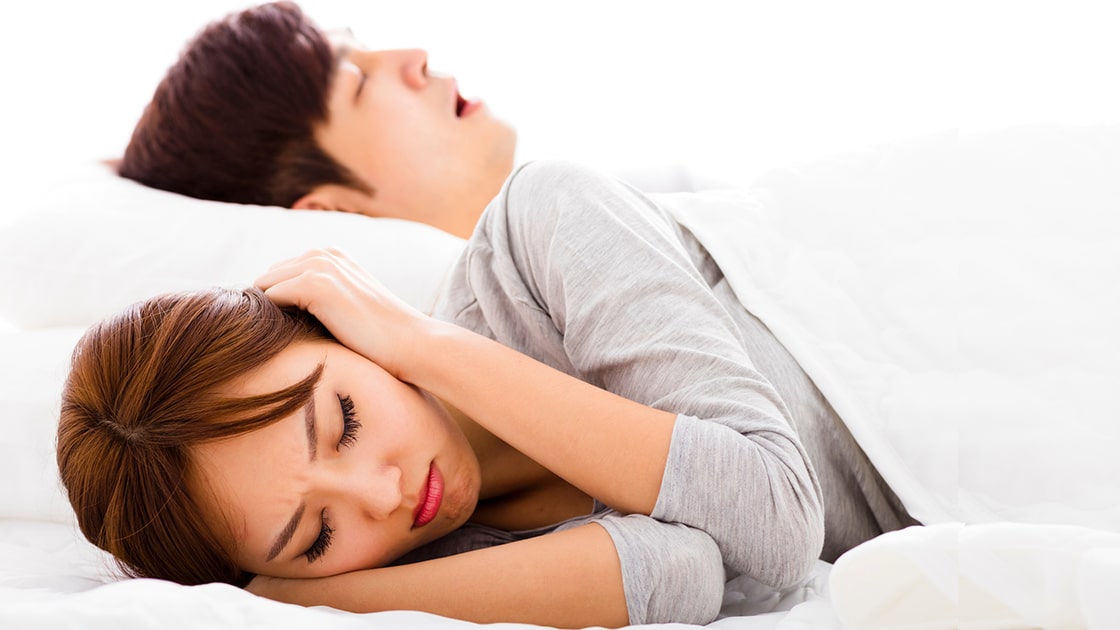
Despite its effectiveness, many individuals struggle to use their CPAP machine consistently. Common complaints include discomfort from the mask, skin irritation, dry mouth, and feelings of claustrophobia. The noise of the machine can also be disruptive for both the user and their partner.
Introducing Oral Appliance Therapy: The Dental Approach to Better Sleep
What is an Oral Appliance?
Oral appliance therapy uses a custom-made device that resembles a sports mouthguard or orthodontic retainer. It is designed to be worn only during sleep. These appliances are fabricated from high-quality, durable materials and are precisely molded to fit your unique dental structure, ensuring they are both comfortable and effective.
How Does it Work?
The primary function of an oral appliance is to keep the airway open by gently repositioning the lower jaw or tongue. By moving the jaw slightly forward, the device tightens the soft tissues and muscles at the back of the throat, preventing them from collapsing and blocking the airway.
Who is an Ideal Candidate?
Oral appliance therapy is an excellent option for a specific group of patients. It is most effective for individuals diagnosed with mild to moderate obstructive sleep apnea. It is also a leading alternative for those who cannot tolerate CPAP therapy. Additionally, people who suffer from chronic snoring but do not have OSA can find significant relief with an oral appliance.
The Process: Getting Your Custom-Fitted Oral Appliance
Initial Consultation and Screening
Your journey begins with a thorough consultation with a dentist trained in dental sleep medicine. During this appointment, the dentist will perform a comprehensive examination of your teeth, gums, jaw, and airway. This screening helps determine if you are a suitable candidate for oral appliance therapy and allows the dentist to understand your specific anatomical needs.
Precision Impressions for a Perfect Fit
Once you are confirmed as a good candidate, the next step is to create a model of your mouth. Your dentist will take highly accurate digital or physical impressions of your teeth. These impressions are then sent to a specialized dental lab where your custom oral appliance is fabricated.
Fitting and Adjustment Session
When your custom appliance is ready, you will return for a fitting appointment. Your dentist will place the device in your mouth, check the fit, and make any necessary adjustments to ensure it is comfortable. This session is also crucial for calibrating the appliance to the optimal position for keeping your airway open, a process known as titration.
Comparing the Options: Oral Appliance Therapy vs. CPAP
Comfort and Ease of Use
When it comes to comfort, many patients find oral appliances far superior to CPAP masks. The small, lightweight device fits discreetly inside the mouth, eliminating the facial straps, headgear, and tubing associated with CPAP. This allows for more freedom of movement during sleep and avoids the skin irritation and pressure marks that masks can cause.
Portability and Convenience
Oral appliance therapy offers unparalleled convenience, especially for those who travel. The device is small enough to fit in your pocket and requires no electricity, batteries, or distilled water. This makes it easy to maintain your treatment routine whether you are on a business trip, a camping adventure, or a vacation, ensuring your sleep quality is never compromised.
Discreet and Silent Operation
Unlike a CPAP machine, an oral appliance is completely silent. This is a significant benefit for both the patient and their bed partner, leading to a more peaceful and less disruptive sleep environment. The discreet nature of the device also helps users feel less self-conscious about their treatment, which can improve overall compliance and satisfaction.
The Sleep Better Solution: Partnering with an Expert for Success
An Education-First Philosophy
We believe that an informed patient is an empowered patient. Our team is committed to ensuring you fully understand your sleep apnea diagnosis and how oral appliance therapy works. By providing clear explanations and answering all your questions, we help you take an active and confident role in your own treatment journey.
Expertise in Customization and Titration
The success of oral appliance therapy relies on the expertise of the dental professional. Our team has specialized training in designing, fitting, and adjusting these devices. We meticulously titrate your appliance, making gradual adjustments to find the most effective and comfortable jaw position that resolves your sleep apnea symptoms.
Commitment to Long-Term Follow-Up Care
Our care for you does not end once you receive your appliance. We schedule regular follow-up appointments to monitor your progress, check the condition of the device, and make any necessary adjustments over time. This ongoing partnership ensures your treatment remains effective and comfortable for the long term.
Life with an Oral Appliance: What to Expect
The Initial Adjustment Period
As with any new dental device, there is a brief adaptation period. You might experience temporary side effects like minor tooth sensitivity or increased salivation as your mouth gets used to wearing the appliance. These symptoms are typically mild and resolve within a few days or weeks of consistent use.
Daily Care and Maintenance
Caring for your oral appliance is simple. To maintain good oral hygiene and ensure the device’s longevity, it should be cleaned daily with a soft brush and non-abrasive cleaner. When not in use, the appliance should be stored in its protective case to keep it safe and clean.
Noticeable Improvements in Sleep and Health
Most patients experience positive results shortly after starting therapy. You can expect a significant reduction or complete elimination of snoring, leading to a quieter night for you and your partner. Many users also report waking up feeling more refreshed and having more energy and focus throughout the day.
Beyond Snoring: The Broader Health Benefits of Effective OSA Treatment

Reduced Risk of Cardiovascular Problems
Consistently treating obstructive sleep apnea can have a profound impact on your heart health. By maintaining an open airway and stable oxygen levels during sleep, you help lower high blood pressure and reduce the strain on your cardiovascular system. This, in turn, decreases your risk of serious events like heart attack and stroke.
Enhanced Mental Acuity and Mood
Restorative sleep is essential for proper brain function. Effective OSA treatment helps improve cognitive abilities, including memory, concentration, and problem-solving skills. Patients often experience a noticeable improvement in their mood, feeling less irritable and more emotionally stable once they start getting quality sleep.
Support for Healthy Weight Management
Sleep apnea and weight are often linked. Poor sleep can disrupt the hormones that regulate appetite, making it harder to manage weight. By treating OSA and improving sleep quality, you can help restore the balance of these hormones, which can support your efforts to maintain a healthy weight.
Is Oral Appliance Therapy Right for You?
Consulting with a Sleep Physician
The first step in addressing any sleep-related breathing disorder is to get a proper diagnosis. It is essential to consult with a sleep physician who can perform a sleep study to confirm if you have obstructive sleep apnea and determine its severity.
The Role of a Qualified Dentist in Treatment
While a physician diagnoses OSA, a specially trained dentist is the expert who provides and manages oral appliance therapy. These dentists have advanced education in dental sleep medicine, enabling them to design, fit, and titrate the appliance to effectively treat your condition.
Evaluating Your Lifestyle and Treatment Goals
When deciding on a treatment path, it is important to consider your personal needs and preferences. Think about your lifestyle, travel habits, and what you hope to achieve with treatment. Discussing these factors with your healthcare providers will help you determine if a comfortable, non-invasive solution like oral appliance therapy is the right choice for you.
Find Your Path to Better Sleep
To summarize, oral appliance therapy is a proven, patient-friendly, and highly effective alternative to CPAP for many individuals with mild to moderate obstructive sleep apnea and snoring. It offers a comfortable, quiet, and convenient way to manage your condition and reclaim your health.
Successful sleep apnea treatment is not a one-size-fits-all solution, and it’s empowering to know that comfortable and effective alternatives are available. You don’t have to struggle with a treatment that doesn’t work for your lifestyle.
If you are struggling with CPAP, looking for a solution for chronic snoring, or simply feel tired despite a full night in bed, it’s time to explore your options. We encourage you to consult with a qualified dentist to learn more about oral appliance therapy and find out if it is the right choice to help you achieve better health through better sleep.
Sleep Better Solution
https://maps.app.goo.gl/a8bnq8tEgXLjys117
147 Main St #7, Lodi, NJ 07644
(862) 208-2112
https://www.sleepbettersolutionnow.com/