Making Sense of CPAP: Machines, Masks, and Supplies Explained
Starting CPAP therapy can feel overwhelming with all the different machines, masks, and accessories. Understanding your options is the first step toward successful and comfortable treatment for sleep apnea, but the sheer volume of choices can be daunting. From various machine types to a wide array of mask styles, each component plays a critical role in how effective and tolerable your therapy will be.
This guide is designed to demystify the world of CPAP equipment. We will explain the various components, their functions, and how they work together to improve your sleep and health. Think of this as your roadmap to navigating the equipment landscape, helping you make sense of the terminology and technology you’ll encounter.
By reading this post, you will gain a clear understanding of CPAP machines, masks, and essential supplies. This knowledge will empower you to have more informed discussions with your healthcare provider and find the setup that best fits your unique needs, ensuring your journey to better sleep is a successful one.
The Core of Your Therapy: Understanding CPAP Machines
CPAP (Continuous Positive Airway Pressure)
A standard CPAP machine is the most common device used for treating obstructive sleep apnea. It works by delivering a constant, fixed stream of pressurized air prescribed by your sleep physician. This continuous pressure acts as an “air splint,” effectively keeping your airway open throughout the night and preventing the breathing interruptions that characterize sleep apnea.
APAP (Automatic Positive Airway Pressure)
APAP machines offer a more dynamic approach to therapy. Instead of delivering one fixed pressure, an APAP device automatically adjusts the pressure level throughout the night based on your real-time breathing needs. It can sense when you need more support—for instance, if you roll onto your back or enter a deeper stage of sleep—and increase the pressure accordingly.
BiPAP (Bilevel Positive Airway Pressure)
BiPAP machines provide two distinct pressure levels: a higher pressure when you inhale and a lower pressure when you exhale. This bilevel system makes breathing out against the airflow feel easier and more natural. BiPAP devices are often prescribed for individuals who have difficulty tolerating the high, continuous pressure of a standard CPAP machine or for those with specific medical conditions like central sleep apnea, COPD, or certain neuromuscular disorders.
Finding Your Fit: A Guide to CPAP Mask Types
Full Face Masks
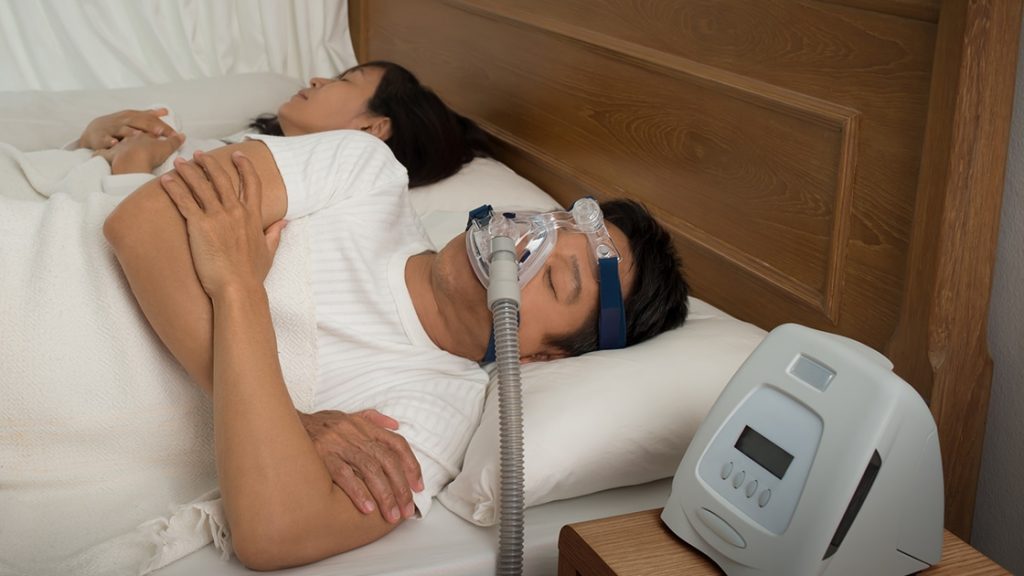
A full-face mask covers both the nose and mouth, creating a comprehensive seal that is ideal for individuals who breathe through their mouth during sleep. This style is also beneficial for those who experience frequent nasal congestion from allergies or colds, as it ensures therapy remains effective even if your nasal passages are blocked.
Nasal Masks
Nasal masks are a popular choice because they are less bulky than full-face masks. They form a seal around the nose, leaving the mouth free. This design is perfect for patients who naturally breathe through their nose and prefer a clearer field of vision for reading or watching TV before falling asleep.
Nasal Pillow Masks
For those seeking the most minimalist option, the nasal pillow mask is an excellent choice. It uses small, soft cushions that seal directly into the nostrils, offering the least amount of facial contact of any mask style. This design is particularly well-suited for active sleepers who change positions frequently, individuals with facial hair that may interfere with a traditional mask seal, and those who feel claustrophobic in larger masks.
Essential Comfort Features and Technologies
Heated Humidification
A heated humidifier is a critical feature for enhancing comfort during CPAP therapy. It works by adding moisture to the pressurized air, which prevents common side effects like dry mouth, a sore throat, and nasal irritation. By delivering warm, moist air, humidification makes the therapy experience more pleasant and can significantly improve your ability to use the device consistently every night.
Ramp and Pressure Relief Features
The “ramp” function is designed to ease you into your therapy each night. It starts the machine at a very low, comfortable pressure and gradually increases it to your prescribed level over a set period, allowing you to fall asleep more naturally. Similarly, pressure relief technology (often called C-Flex, A-Flex, or EPR) slightly lowers the pressure as you exhale, reducing the sensation of breathing against a strong airflow and making the experience feel more natural.
Data Tracking and Connectivity
Modern CPAP machines are equipped with sophisticated data tracking capabilities. They record important information such as your hours of use, the quality of your mask seal, and your Apnea-Hypopnea Index (AHI), which measures the number of breathing events per hour. This data can be accessed through an app on your smartphone or an SD card, allowing you and your provider to monitor your treatment effectiveness and make informed adjustments to optimize your therapy.
Key CPAP Supplies and Their Purpose
Tubing and Hoses
The hose is the flexible tube that connects your CPAP machine to your mask, delivering the pressurized air. Standard hoses work well for most people, but there are also slimline options that are lighter and more flexible. For those using a humidifier, a heated tube is highly recommended, as it keeps the air warm all the way to your mask, preventing condensation (known as “rainout”) from forming inside the hose.
Filters
Every CPAP machine has filters that are essential for cleaning the air you breathe. They trap dust, pollen, pet dander, and other airborne particles, ensuring the air delivered to your lungs is pure. There are two main types: reusable foam filters that should be washed regularly and disposable fine filters that must be replaced every few weeks.
Mask Cushions and Headgear
The mask cushion is the soft, pliable part of the mask that creates a seal against your face. Because it is in constant contact with the oils and moisture from your skin, it is the most frequently replaced component. The headgear consists of the straps that hold the mask securely in place.
The Sleep Better Solution: Guidance on Non-CPAP Alternatives
Acknowledging CPAP Intolerance
At Sleep Better Solution, our team understands that despite trying various CPAP options, some patients cannot adapt to the therapy. Whether due to discomfort, claustrophobia, or other challenges, CPAP isn’t the right fit for everyone. We believe in empowering patients with knowledge about all available treatment avenues so you can find a solution that works for you.
Introducing Oral Appliance Therapy
We specialize in screening for and treating obstructive sleep apnea with custom-fit oral appliances. For many individuals with mild to moderate OSA or those who are CPAP-intolerant, this comfortable, silent, and portable device is an effective alternative.
A Collaborative Approach to Your Health
We partner with you and your physician to determine the best path forward for your health. If you find that CPAP isn’t working for you, we provide thorough screening and education to determine if an oral appliance is the right solution. Our goal is to ensure you receive effective treatment that fits your lifestyle, helping you achieve better health through better sleep.
Assembling Your Ideal Setup: Tips for Success
Consider Your Sleeping Position
Your preferred sleeping position plays a significant role in choosing the right mask. For example, side sleepers may find that a full-face mask gets dislodged easily and might prefer a more compact nasal or nasal pillow mask. Back sleepers generally have more flexibility with mask types, while active sleepers who move around a lot often do best with the minimal design of a nasal pillow mask.
Factor in Facial Features and Skin Sensitivity
A proper mask fitting is essential, and your unique facial features should be taken into account. Facial hair, for instance, can interfere with the seal of certain masks, making a nasal pillow style a better option. If you have sensitive skin, look for masks made from hypoallergenic materials or consider using mask liners, which create a soft barrier between the cushion and your skin.
Don’t Be Afraid to Experiment
It is completely normal to try a few different mask styles before finding the perfect one. Most insurance plans allow for a mask exchange period, so don’t hesitate to work with your Durable Medical Equipment (DME) provider to explore different options. Finding a mask that is comfortable and provides a reliable seal is one of the most important factors for long-term CPAP success.
Maintaining Your Equipment for Health and Longevity
The Importance of a Cleaning Routine
Establishing a consistent cleaning routine is crucial for both your health and the proper functioning of your equipment. Your mask, tubing, and humidifier chamber should be cleaned daily with mild soap and water to prevent the buildup of bacteria and mold.
Understanding the Resupply Schedule
Regularly replacing your CPAP supplies is vital for effective therapy. A worn-out mask cushion won’t create a proper seal, leading to air leaks that compromise your treatment. Likewise, a clogged filter can strain your machine’s motor and reduce its lifespan.
Inspecting for Wear and Tear
In addition to regular cleaning, you should periodically inspect your equipment for signs of damage. Look for small cracks in the mask frame, tears or thinning in the silicone cushion, and stretched-out headgear straps. Catching these issues early and replacing worn parts promptly will prevent disruptions in your therapy and ensure you continue to receive its full benefits.

Working with Your Provider for Optimal Results
The Role of Your DME Supplier
Your Durable Medical Equipment (DME) provider is your go-to resource for all things related to your CPAP equipment. They are experts in mask fittings, helping you troubleshoot any issues that arise, and managing your resupply schedule. Building a good relationship with your DME supplier can make a significant difference in your treatment experience.
Communicating with Your Sleep Physician
It is important to have follow-up appointments with your sleep physician to review your therapy data. Your doctor can analyze your usage patterns, AHI, and mask leak information to determine if your treatment is effective and make any necessary adjustments to your pressure settings.
Advocating for Your Own Comfort
Ultimately, you are the most important member of your care team. If your current setup is uncomfortable or not working for you, it is essential to speak up. Effective treatment depends on a setup that you can use consistently every single night. Don’t be afraid to advocate for your own comfort and work with your providers to find the solutions that will lead to your success.
Your Path to Better Sleep
To quickly recap, successful sleep apnea management involves understanding the three main types of machines—CPAP, APAP, and BiPAP—and finding the right fit among the primary mask styles: full-face, nasal, and nasal pillow. Leveraging comfort features like humidification and regularly maintaining your equipment are equally important for long-term success.
Empowerment through education is the key to navigating your CPAP therapy. By understanding these options, you are better equipped to find a comfortable and effective solution for managing your sleep apnea, leading to a significant improvement in your overall health and quality of life.
Use this guide as a starting point for a productive conversation with your sleep physician or DME provider. Together, you can find the ideal equipment that will help you achieve what we all deserve: better health through better sleep.
Sleep Better Solution
https://maps.app.goo.gl/a8bnq8tEgXLjys117
147 Main St #7, Lodi, NJ 07644
(862) 208-2112
https://www.sleepbettersolutionnow.com/