Choosing Between CPAP and Oral Appliance Therapy: What Works Best for You?
Waking up tired despite getting eight hours of sleep? Loud snoring or pauses in breathing at night? These are common signs of sleep apnea, a condition that can drain your energy, affect your mood, and harm your long-term health if untreated.
The good news: sleep apnea is treatable. While CPAP machines have long been the standard solution, many find them uncomfortable. Oral Appliance Therapy (OAT) offers a less invasive alternative that’s growing in popularity.
Choosing the right treatment is key—what matters most is finding an option you’ll use consistently. This guide breaks down the pros and cons of CPAP and OAT to help you decide which fits your lifestyle. At the Sleep Better Solution Center, we’re here to help you take the first step toward better sleep and better health.
Understanding Sleep Apnea
Before diving into treatments, it is helpful to understand exactly what is happening in your body. Sleep apnea is a serious sleep disorder where breathing repeatedly stops and starts.
Types of Sleep Apnea
There are three main types:
- Obstructive Sleep Apnea (OSA): This is the most common form. It occurs when the throat muscles relax excessively, blocking the airway.
- Central Sleep Apnea (CSA): This is less common and occurs when your brain doesn’t send proper signals to the muscles that control breathing.
- Complex Sleep Apnea Syndrome: Also known as treatment-emergent central sleep apnea, this happens when someone has both obstructive sleep apnea and central sleep apnea.
Causes and Risk Factors
Anyone can develop sleep apnea, but certain factors increase risk. Excess weight is a primary contributor, as fat deposits around the upper airway can obstruct breathing. However, thinner people can also develop the disorder. Narrow airways, enlarged tonsils or adenoids, and a thicker neck circumference are significant anatomical risk factors. Age and family history also play roles; muscle tone naturally decreases as we age, making airway collapse more likely. Men are statistically more likely to develop sleep apnea, though risk for women increases after menopause.
The Risks of Ignoring It
Untreated sleep apnea is more than just a snoring problem. It causes fragmented sleep, which prevents you from reaching the deep, restorative stages of sleep. This leads to daytime fatigue, irritability, and difficulty concentrating. Long-term, the sudden drops in blood oxygen levels during apnea episodes put immense strain on the cardiovascular system. This increases the risk of high blood pressure, heart attack, stroke, and type 2 diabetes.
CPAP Therapy: The Gold Standard
Continuous Positive Airway Pressure (CPAP) is widely considered the most effective nonsurgical treatment for obstructive sleep apnea. It is the first line of defense for moderate to severe cases.
How CPAP Works
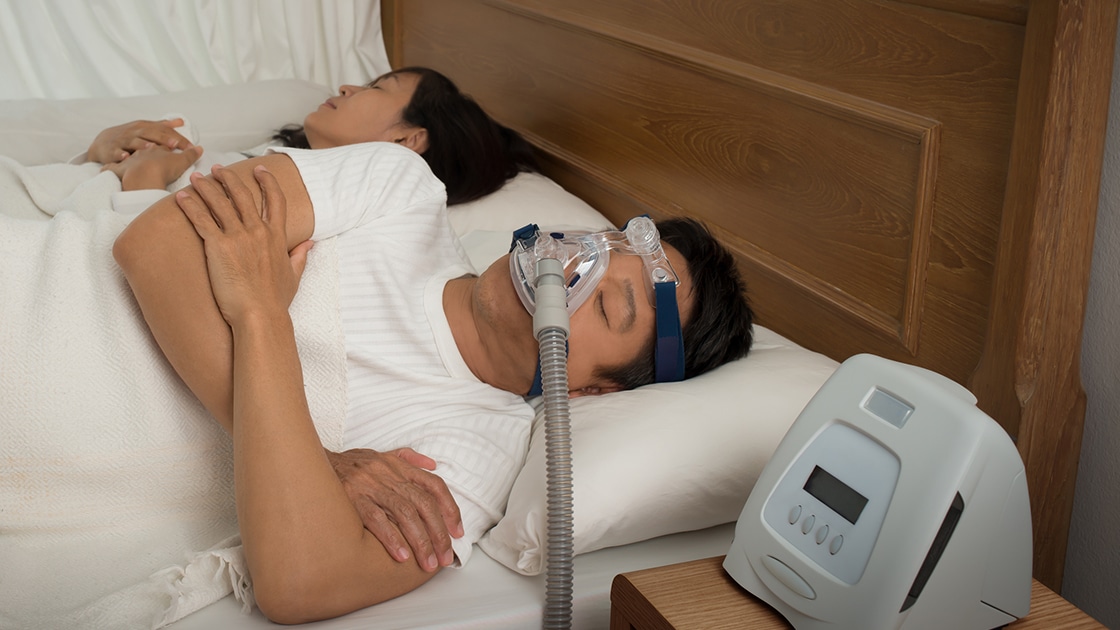
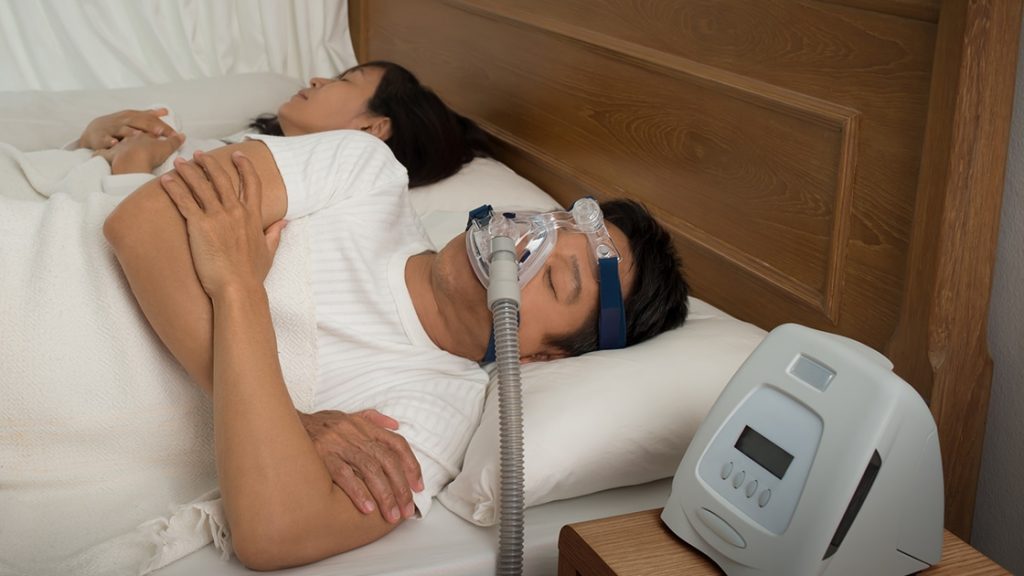
A CPAP machine consists of a motor that acts as a compressor. It takes in room air, filters it, and delivers it at a specific pressure setting through a tube and mask worn over your nose and/or mouth. This continuous stream of air acts like a pneumatic splint, keeping your upper airway passages open and preventing apnea and snoring.
The Benefits of CPAP
When used consistently, CPAP is incredibly effective. It can immediately eliminate snoring and breathing pauses, leading to a dramatic improvement in sleep quality. Users often report feeling more alert and energetic during the day. Beyond symptom relief, CPAP therapy significantly lowers blood pressure and reduces the risk of heart disease associated with sleep apnea.
Challenges and Side Effects
Despite its effectiveness, CPAP has a high discontinuation rate. Many users find the therapy intrusive. Common complaints include:
- Mask Discomfort: Finding a mask that seals well without causing pressure sores or irritation can be difficult.
- Claustrophobia: Covering the nose and mouth can trigger anxiety for some users.
- Dryness and Congestion: The flow of air can dry out the nose and throat, leading to congestion or nosebleeds.
- Noise: While modern machines are quiet, the sound of the motor or air leaks can disturb light sleepers or bed partners.
Overcoming CPAP Hurdles
Success with CPAP often requires patience and troubleshooting. Most modern machines include heated humidifiers to combat dryness. Mask options have also evolved significantly; nasal pillows are much smaller and less intrusive than full-face masks. “Ramp” features on machines start with low pressure and gradually increase it as you fall asleep, helping with comfort.
Oral Appliance Therapy: A Comfortable Alternative
For those who cannot tolerate CPAP or have mild to moderate sleep apnea, Oral Appliance Therapy (OAT) offers a different approach.
How Oral Appliance Therapy Works
These devices look similar to a sports mouthguard or an orthodontic retainer. They are worn only while you sleep. The primary goal is to prevent the collapse of the tongue and soft tissues in the back of the throat so that the airway remains open.
Types of Appliances
- Mandibular Advancement Devices (MADs): These are the most widely used oral appliances. They snap over the upper and lower dental arches and have metal hinges or plastic mechanisms that ease the lower jaw (mandible) forward. By moving the jaw forward, the tongue is also pulled forward, enlarging the airway.
- Tongue Retaining Devices (TRDs): These are less common and work by holding the tongue in a forward position using a suction bulb. They are typically used for patients who cannot use a MAD due to dental issues.
The Benefits of Oral Appliances
The biggest advantage of OAT is comfort and ease of use.
- Portability: The device fits in a pocket, making travel effortless compared to lugging a CPAP machine through airport security.
- Quiet: There is no motor and no noise, which is a major plus for bed partners.
- Non-Invasive: Users don’t have to worry about hoses, electricity, or masks covering their face. This generally leads to higher compliance rates compared to CPAP.
Limitations and Side Effects
Oral appliances are not without their downsides. They can cause temporomandibular joint (TMJ) arthritis or jaw pain. Some users experience temporary changes in their bite or excessive salivation. Additionally, they are generally less effective than CPAP for severe cases of sleep apnea.
CPAP vs. Oral Appliance Therapy: A Detailed Comparison
When weighing your options, it helps to look at them side-by-side across a few key categories.
Effectiveness
If we look purely at the ability to eliminate apnea events (stopping breathing), CPAP is superior. It can virtually eliminate events regardless of severity. Oral appliances significantly reduce events but may not eliminate them entirely for everyone. However, “effectiveness” also depends on adherence. A CPAP machine that sits in the closet is 0% effective. Because oral appliances are easier to wear, many patients use them more consistently, which can make the real-world effectiveness comparable for mild to moderate cases.
Comfort and Convenience
Oral appliances generally win the comfort battle. There are no straps, hoses, or feelings of suffocation. You can sleep in any position. With CPAP, sleeping on your stomach is difficult, and turning over requires managing the hose.
Cost Considerations
CPAP machines have a higher upfront cost for the unit itself, plus ongoing costs for replacement filters, hoses, and masks (typically every 3-6 months). Oral appliances have a higher upfront cost for the custom fitting and fabrication by a specialized dentist, but they have fewer ongoing costs. Insurance coverage varies for both; nearly all plans cover CPAP, while coverage for oral appliances is becoming common but may require specific documentation proving CPAP intolerance.
Maintenance
CPAP requires daily commitment. You must clean the mask and humidifier chamber daily to prevent mold and bacteria growth, and wash the tubing weekly. Oral appliances are lower maintenance; you typically brush them with a toothbrush and mild soap or soak them in a denture cleaner daily.
Who is a Good Candidate for CPAP?
While it might seem cumbersome, CPAP remains the best choice for specific groups of people.
- Severe Sleep Apnea: If your Apnea-Hypopnea Index (AHI)—the number of times you stop breathing per hour—is high (usually over 30), CPAP is strongly recommended. The air pressure ensures the airway stays open regardless of tissue collapse.
- Central Sleep Apnea: Because oral appliances work mechanically to move tissue, they do not help with Central Sleep Apnea, which is a neurological issue. CPAP (or specialized versions like BiPAP) is necessary here.
- Those with Significant Oxygen Desaturation: If your oxygen levels drop dangerously low during sleep, the reliable, continuous airflow of CPAP is the safest way to maintain oxygenation.
Who is a Good Candidate for Oral Appliance Therapy?
Oral appliances are an excellent solution for many, particularly those who have struggled with traditional treatments.
- Mild to Moderate OSA: For patients with an AHI between 5 and 30, oral appliances are often just as effective as CPAP in reducing health risks and improving symptoms.
- CPAP Intolerant Patients: This is the largest group of OAT users. If you have tried CPAP and simply cannot sleep with the mask, or if you rip it off unconsciously during the night, an oral appliance is the next logical step.
- Frequent Travelers: If you camp, travel for business, or sleep in places without reliable electricity, an oral appliance is a lifestyle saver.
- Primary Snorers: If you do not have clinical sleep apnea but your snoring is disrupting your household, a simple oral appliance can be a relationship saver.
Making the Right Choice: Factors to Consider
Deciding between CPAP and an oral appliance isn’t something you should do via a Google search alone. It requires medical input.
Consult a Sleep Specialist
Your journey should start with a board-certified sleep physician. They will review your medical history, examine your airway, and discuss your symptoms. At the Sleep Better Solution, we work closely with physicians to ensure the path you choose is medically sound.
The Role of Sleep Studies
You cannot treat what you haven’t measured. A sleep study (polysomnogram) is essential. This can be done in a lab or, increasingly, via a Home Sleep Test (HST). The data from this study—specifically your AHI and oxygen levels—will largely dictate which treatments are viable options. If your numbers indicate severe apnea, a dentist cannot ethically treat you with an appliance as a first option without medical clearance.
Lifestyle Factors
Be honest about your habits. Do you have a deviated septum that makes nose breathing hard? CPAP might be difficult without a full-face mask. Do you have existing TMJ issues? An oral appliance might aggravate your jaw. Do you sleep on your stomach? A CPAP mask will be a nuisance. Discuss these “quality of life” factors with your provider.
Take the Next Step Toward Restful Sleep
Treating sleep apnea is essential for your longevity and quality of life. Whether you opt for the power of a CPAP machine or the comfort of an oral appliance, the most important outcome is consistent, healthy sleep.
CPAP is highly effective for severe cases, while oral appliances offer better comfort and compliance for those with mild to moderate apnea. The best treatment is the one you will use every night.
If you’re unsure where to start or have struggled with CPAP, don’t give up. The team at the Sleep Better Solution Center can guide you through your options, coordinate with physicians, and find a customized solution that fits your life. Reach out today to start your journey toward restful sleep.
Sleep Better Solution
https://maps.app.goo.gl/a8bnq8tEgXLjys117
147 Main St #7, Lodi, NJ 07644
(862) 208-2112
https://www.sleepbettersolutionnow.com/